
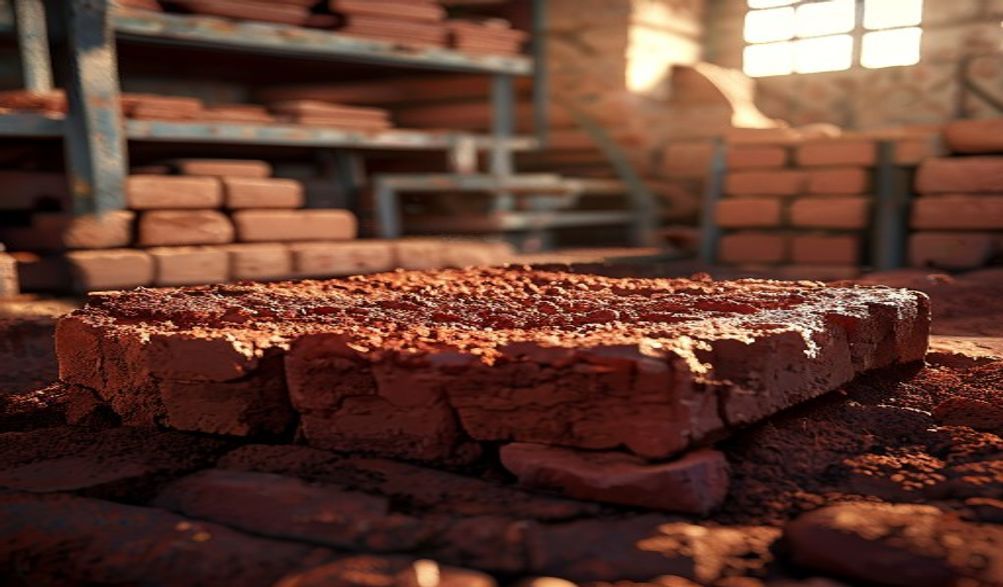
Hoe om 'n Grondbaksteenmaakmasjien te Kies: 'n Koper se Gids vir Bouers en Entrepreneurs
Inleiding
Die globale konstruksielandskap is besig om te verander. Met 'n toenemende klem op volhoubaarheid, bekostigbaarheid en duursaamheid, herontdek bouers en entrepreneurs een van die mensdom se oudste boumateriale: grond. Moderne saamgeperste grondstene bied 'n oortuigende oplossing – lae ingeboude energie, uitstekende termiese massa en aansienlike kostebesparings. Die brug tussen rou grond en 'n stewige, betroubare steen is egter die masjien wat dit maak.
Die verkeerde toerusting kies kan jou projek ontspoor, wat tot vermorsde kapitaal, inkonsekwente baksteen kwaliteit en frustrerende vertragings lei. Met meer as 'n dekade se ervaring in volhoubare konstruksiemasjinerie en om advies te gee oor projekte wat strek van klein plaashuise tot kommersiële ontwikkelings, het ek die slaggate sowel as die suksesse gesien. Hierdie gids distilleer daardie praktiese kundigheid in 'n duidelike, stap-vir-stap raamwerk.
Ons doel is om jou te bemagtig met die kennis om die mark met selfvertroue te navigeer. Ons sal verder gaan as verkoopsbrochures na die kern tegniese en praktiese faktore wat werklike wêreldsukses bepaal. Teen die einde van hierdie gids sal jy 'n presiese kontrolelys hê virhoe om 'n grondsteenmaakmasjien te kieswat perfek in lyn is met jou grond, jou projek en jou ambisies.
Verstaan Grondsteenvervaardiging: Tipes en Prosesse
Voordat jy masjiene vergelyk, is dit noodsaaklik om te verstaan wat hulle doen en die verskillende tegnologieë wat beskikbaar is.
Wat is 'n Grondbaksteenvervaardigingsmasjien?
Kernagtig is 'n grondbaksteenmasjien 'n toestel wat 'n mengsel van klam grond en 'n klein persentasie stabiliseerder (soos sement of kalk) saampers tot 'n digte, soliede blok. Die proses gebruik nie bak nie, wat dit energiebesparend maak. Die masjien se primêre funksie is om geweldige, konstante druk toe te pas, wat die gronddeeltjies herrangskik, holtes verminder en 'n sterk meganiese binding skep, veral wanneer 'n stabiliseerder teenwoordig is.
Tipes Sleutelmasjiene: Handmatig vs. Semi-outomaties vs. Vol-outomaties
Jou keuse hier vorm fundamenteel jou operasie se skaal, arbeidsbehoeftes en begroting.
-
Handmatige Masjiene:
- Hoe hulle werk:Word volledig deur menslike krag bedryf, tipies met behulp van 'n hefboom of 'n hidrouliese dompkrag.
- Voordele:Laagste voorafkoste, geen elektrisiteit nodig, eenvoudige instandhouding, hoogs draagbaar.
- Nadele:Baie lae produksie (50-200 stene per dag), fisies veeleisend, gehalte kan wissel met operateuruitputting.
- Beste vir:Doe-ditself-projekte, kleinskaalse tuinmaak, gemeenskapsgedrewe inisiatiewe met volop vrywilligerswerk, en die toets van prototipes.
-
Halfoutomatiese Masjiene:
- Hoe hulle werk:Hierdie elektriese of diesel-aangedrewe masjiene outomatiseer die kompressiesiklus (dikwels via 'n hidrouliese stelsel), maar vereis 'n operateur om die mengsel in te voer en die voltooide baksteen te verwyder.
- Voordele:Goeie balans tussen koste en produksie (300-800 stene per dag), konsekwente steenkwaliteit as gevolg van eenvormige druk, minder fisies intensief.
- Nadele:Hoër aanvangsbelegging as handmatig, benodig 'n kragbron, vereis basiese operasionele opleiding.
- Beste vir:Klein tot mediumgrootte ondernemings, behuisingsprojekte en sosiale ondernemings wat op soek is na 'n volhoubare produksiemodel.
-
Volledig Outomatiese Masjiene:
- Hoe hulle werk:Dit is volledige produksielyne met outomatiese voeding, kompressie en baksteenuitwerping, dikwels met vervoerstelsels.
- Voordele:Hoë-volume-uitset (1 000+ bakstene per dag), maksimum konsekwentheid, minimale direkte arbeid per baksteen.
- Nadele:Aansienlike kapitaalbelegging, vereis betroubare driefase-krag, komplekse opstelling en instandhouding, benodig meer ruimte.
- Beste vir:Grootskaalse kommersiële baksteenproduksie-aanlegte wat aan groot konstruksieprojekte verskaf.
Die Rol van Grondstabilisasie
Nie alle grond is onmiddellik gereg vir baksteenvervaardiging nie. "Stabilisering" is die sleutel tot die omskakeling van rou grond na 'n duursame, weerbestande bousteen.
- Hoekom Stabiliseer?Stabiliseerders (tipies 5-10% sement of 5-15% kalk) bind chemies met die gronddeeltjies. Dit verhoog die druksterkte aansienlik, verminder erosie deur reën, en minimaliseer krimpskeure.
- Impak op Masjienkeuse:Die vereiste stabilisasievlak hang af van jou grond se samestelling. 'n Kleiryk grond benodig meer stabilisasie en 'n masjien wat hoër druk kan lewer om digtheid te bereik. Die masjien moet robuut genoeg wees om die effens meer skurende gestabiliseerde mengsel te hanteer.
Kernfaktore om te oorweeg voordat jy koop
Dit is die grondslagstap waar eerlike assessering duur foute voorkom.
Assessering van Jou Projekvereistes
-
Baksteen Uitset & Produksiedoelwitte:
- Bereken jou daaglikse of weeklikse baksteenbehoefte gebaseer op jou konstruksie-tydlyn. Wees realisties.
- Kritieke Wedstryd:'n Masjien se gegradeerde kapasiteit (stene/uur) moet aan hierdie behoefte voldoen met ruimte vir doeltreffendheidsverlies. Om 'n oormaat masjien te koop, mors geld; 'n ondermaat een vertraag jou projek.
-
Brikspesifikasies:
- Bepaal die standaard baksteen grootte in jou streek (bv. 230mm x 110mm x 75mm) of of jy ineengrypende vorms benodig vir mortellose konstruksie.
- Die masjien se vormopsies bepaal dit. Ook, die vereistedruksterkte(bv. vir 'n enkelverdieping- teenoor 'n drieverdieping-gebou) word direk bepaal deur die masjien se drukvermoë.
Analiseer Jou Grondsamestelling
Dit is die mees kritieke, en mees dikwels oor die hoof gesiene, stap.
- Grondtoetsing is Ononderhandelbaar.’n Eenvoudige, goedkoop toets sal die persentasies van klei, slik en sand openbaar.
- Ideale Mengsel 'n "Sandige-kleileem" bied dikwels 'n goeie balans. Te veel klei veroorsaak oormatige krimping; te veel sand verminder samenhang.
- Inligting oor Jou Aankoop: Jou grondverslag vertel jou:
- Die tipe en persentasie stabiliseerder wat benodig word.
- Die minimum druk wat u masjien benodig om u spesifieke grondmengsel behoorlik te verdig.
Evaluating Your Operational Context
- Kragbron Beskikbaarheid: Do you have reliable grid electricity? If not, factor in the cost of a generator capable of running a semi- or fully-automatic machine.
- Labor Skill & Availability: Who will operate and maintain it? Manual machines need muscle; automated ones need someone comfortable with basic mechanics and controls.
- Space and Setup: You need space for:
- The machine itself.
- Raw material storage (soil, stabilizer).
- A covered area for curing bricks (a critical 28-day process for cement-stabilized blocks).
Technical Specifications and Features Deep Dive
Now, let’s decode the technical details that separate a quality machine from a problematic one.
Pressure Capacity (The Key to Strength)
Pressure, measured in PSI (pounds per square inch) or MPa (Megapascals), is the engine of brick quality.
- The Direct Correlation: Higher pressure = denser brick = higher compressive strength and better water resistance.
- General Guidelines:
- Non-Load Bearing (e.g., infill walls): 500 – 1,000 PSI (3.5 – 7 MPa) may suffice.
- Draende Mure: Look for machines capable of 1,500 PSI (10 MPa) and above. For multi-story buildings, 2,000+ PSI (14+ MPa) is often recommended.
- Pro Wenk: Ensure the stated pressure is the applied pressure during compaction, not just the hydraulic system pressure.
Machine Build Quality and Durability
This determines your machine’s lifespan and uptime.
- Raamkonstruksie: Look for thick, reinforced steel sections, not light-gauge metal. Welds should be clean and robust.
- Hidrouliese Stelsel: The heart of the machine. Quality seals, valves, and a reliable pump are essential. Ask about the brand of key components.
- Korrosiebeskerming: Powder coating or paint should be thick and even, especially if operating in a humid or coastal environment.
Mold Versatility and Customization
The mold defines your product. Standard rectangular molds are common, but consider:
- Interlocking Molds: Allow for faster, mortar-less construction with improved wall strength.
- Custom Sizes: Can you order different molds later from the supplier? This adds long-term business flexibility.
- Material: Molds should be made from hardened steel to withstand abrasion.
After-Sales Support: A Non-Negotiable Factor
A machine is a long-term investment. Support is your safety net.
- Waarborg: A minimum 1-year warranty on parts and workmanship is standard. Longer is better.
- Onderdele Beskikbaarheid: Are common wear parts (seals, mold liners) readily available? What is the lead time?
- Tegniese Ondersteuning: Does the supplier offer installation guidance, troubleshooting, and operator training (even if remote)?
Financial Planning and ROI Analysis
Look beyond the sticker price to the true cost and potential earnings.
Understanding the Total Cost of Ownership
| Cost Category | Details & Considerations |
| :— | :— |
| Machine Purchase | Base price of the machine. |
| Shipping & Import | Can be substantial for international orders. Clarify Incoterms (e.g., FOB, CIF). |
| Installation | May require a technician’s visit or local tradesperson. |
| Raw Materials | Cost of soil (often free), stabilizer (cement/lime), and water. |
| Labor | Wages for operators. |
| Energy | Electricity or fuel for generators. |
| Maintenance | Annual budget for lubricants, spare parts, etc. |
Calculating Potential Return on Investment (ROI)
A simplified framework for entrepreneurs:
- Cost Per Brick: Add up all monthly operational costs (materials, labor, energy, maintenance amortization). Divide by your monthly production volume.
- Example: ($800 monthly cost) / (10,000 bricks) = $0.08 per brick.
- Market Price Per Brick: Research the local price for comparable fired clay or concrete bricks.
- Example: $0.25 per brick.
- Gross Profit Per Brick: Market Price – Your Cost.
- Example: $0.25 – $0.08 = $0.17 profit per brick.
- Terugbetalingsperiode: Divide the total initial investment (machine + shipping + setup) by your monthly gross profit.
- Example: $10,000 investment / ($0.17 x 10,000 bricks/month = $1,700) = ~5.9 months.
Budgeting for Quality and Longevity
Never buy on price alone. A cheaper, lightly-built machine will have higher downtime, more frequent breakdowns, and a shorter life, making it more expensive in the long run. Invest in robust engineering.
The Supplier Selection Checklist
Your relationship with the supplier is as important as the machine itself.
Researching and Vetting Manufacturers
- Maatskappygeskiedenis: How long have they been manufacturing these specific machines?
- Client Portfolio & Testimonials: Ask for case studies or contact details of past buyers, especially in a similar climate.
- Sertifisering: Do they have ISO or other quality management certifications? It indicates process discipline.
The Importance of Requesting a Demo or Sample
- The Gold Standard: If possible, send your stabilized soil mix to the manufacturer for a test run. Evaluate the resulting brick’s strength, finish, and dimensional consistency.
- Questions for a Demo:
- “Can you walk me through the daily maintenance routine?”
- “What are the most common wear parts and their cost?”
- “How do you handle technical support requests?”
Reviewing Contracts and Warranties
Read the fine print. The warranty should clearly state:
* Coverage period for different components.
* What is excluded (e.g., damage from improper operation, wear parts).
* Who pays for shipping defective parts.
* Response time for support queries.
Frequently Asked Questions (FAQ)
Q1: What is the best soil mix for making compressed earth bricks?
A: While a well-graded “sandy-clay loam” (approx. 70% sand/gravel, 30% clay/silt) is often cited as a good starting point, there is no universal “best” mix. The only reliable method is a professional soil test. This test will provide a precise recipe for stabilization and confirm if your local soil is suitable.
Q2: Can I make bricks without adding cement or other stabilizers?
A: For traditional Adobe bricks (sun-dried), yes. However, for modern Saamgeperste Gestabiliseerde Aarde Blokke (SGAB) designed for structural, durable construction, a stabilizer is essential. Cement or lime provides the chemical strength and weather resistance needed for load-bearing walls, especially in areas with rainfall. Machines for CSEBs are built to handle the higher pressures required.
Q3: How much does a good soil brick making machine cost?
A: Prices vary dramatically based on type and capacity:
* Handmatige Persse: $1,000 – $4,000 USD.
* Halfoutomatiese Masjiene: $5,000 – $20,000 USD.
* Volledig Outomatiese Lyne: $25,000 – $100,000+ USD.
Remember to budget for shipping, installation, and initial spare parts.
Q4: What is the typical maintenance required?
A: Daily and weekly routines are key:
* Daily: Clean the mold and machine frame of residual soil. Check hydraulic fluid levels and for any leaks.
* Weekly: Lubricate all moving parts (pivots, bearings) as per the manual. Inspect the mold for wear.
* Periodically: Change hydraulic fluid and filters as recommended. Check and tighten bolts on the frame.
Q5: Where can I get my soil tested?
A: Several accessible options exist:
* Local agricultural extension offices or co-ops.
* University departments of Civil Engineering, Geology, or Agriculture.
* Private construction materials testing laboratories.
* Some reputable machine suppliers offer testing services or can recommend labs.
Conclusion
Choosing the right soil brick making machine is a systematic process, not a gamble. It begins with a clear understanding of your project’s scale and a non-negotiable soil test. From there, prioritize core technical specifications—especially pressure capacity and build quality—over flashy features. Develop a holistic financial plan that accounts for the total cost of ownership and a realistic ROI. Finally, partner with a reputable supplier whose after-sales support provides a foundation for your long-term success.
View this purchase not merely as buying a tool, but as investing in the foundational technology for your sustainable building venture. The right machine becomes a reliable partner for years, turning local earth into lasting value.
Ready to move forward? If you have a soil report or specific project parameters, feel free to reach out for a more tailored discussion. Share your goals or questions in the comments below—let’s build a conversation as solid as the bricks we aim to create. Mastering the process of selecting the perfect soil brick machine is your first step toward building a sustainable future.
<