
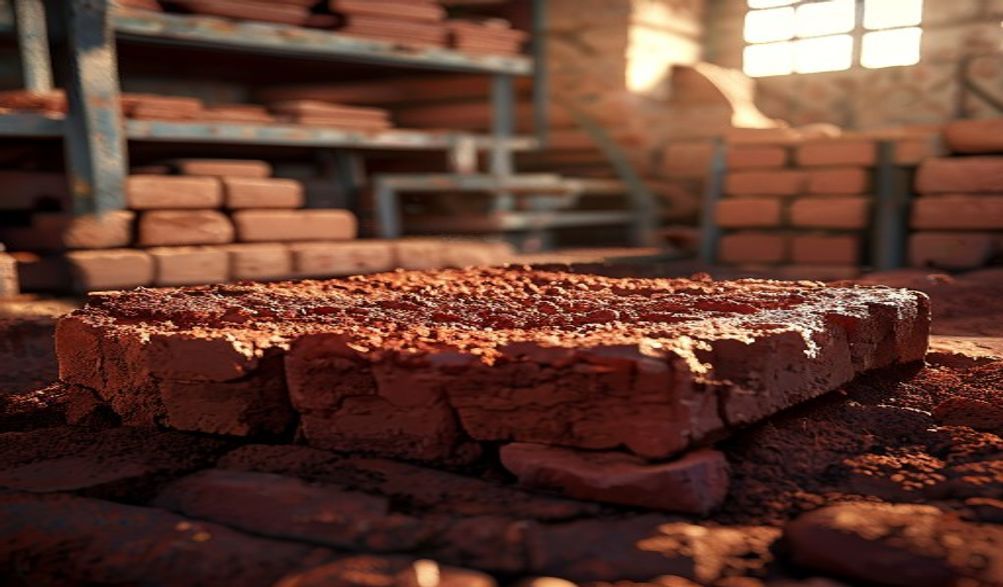
Paano Pumili ng Makina sa Paggawa ng Bricks na Lupa: Gabay para sa mga Tagapagtayo at Negosyante
Panimula
Ang pandaigdigang larangan ng konstruksiyon ay nagbabago. Kasabay ng lumalaking diin sa pagpapanatili, abot-kaya, at tibay, muling natutuklasan ng mga tagapagtayo at negosyante ang isa sa pinakamatandang materyales sa paggawa ng bahay: ang lupa. Ang modernong mga ladrilyong yari sa pinisang lupa ay nag-aalok ng isang nakakahimok na solusyon—mababang enerhiyang kinakailangan, mahusay na kapasidad sa pagpapanatili ng init, at malaking pagtitipid sa gastos. Subalit, ang tulay sa pagitan ng hilaw na lupa at isang matibay, maaasahang ladrilyo ay ang makina na gumagawa nito.
Ang pagpili ng maling kagamitan ay maaaring magpabagsak sa iyong proyekto, na magdudulot ng nasayang na puhunan, hindi pare-parehong kalidad ng ladrilyo, at nakakabagot na mga pagkaantala. Sa mahigit isang dekadang karanasan sa sustainable na makinarya sa konstruksiyon at pagpapayo sa mga proyekto mula sa maliliit na tahanan hanggang sa mga komersyal na pag-unlad, nasaksihan ko ang mga kabiguan at tagumpay. Ang gabay na ito ay naglalahad ng praktikal na kaalamang iyon sa isang malinaw, hakbang-hakbang na balangkas.
Layunin namin na bigyan ka ng kaalaman upang magamit mo nang may kumpiyansa ang merkado. Lilipas tayo sa mga sales brochure patungo sa pangunahing teknikal at praktikal na mga salik na nagtatakda ng tunay na tagumpay. Sa pagtatapos ng gabay na ito, magkakaroon ka ng tiyak na talaan para saPaano pumili ng makina sa paggawa ng ladrilyo mula sa lupana ganap na umaayon sa iyong lupa, iyong proyekto, at iyong mga ambisyon.
Pag-unawa sa Paggawa ng Laryong Lupa: Mga Uri at Proseso
Bago ihambing ang mga makina, mahalaga na maunawaan kung ano ang kanilang ginagawa at ang iba't ibang teknolohiyang magagamit.
Ano ang isang Makina ng Paggawa ng Bricks mula sa Lupa?
Sa puso nito, ang isang makina ng paggawa ng ladrilyong lupa ay isang aparato na pumipiga sa timpla ng basang lupa at maliit na porsyento ng stabilizer (tulad ng semento o apog) upang maging siksik at matibay na bloke. Hindi nito kailangan ang pagpapaputok, kaya mas matipid ito sa enerhiya. Ang pangunahing tungkulin ng makina ay magbigay ng malakas at pantay na presyon, na nag-aayos muli sa mga partikulo ng lupa, nagbabawas ng mga puwang, at lumilikha ng matibay na mekanikal na pagkakadikit, lalo na kapag may stabilizer.
Mga Pangunahing Uri ng Makina: Manual kumpara sa Semi-Awomatiko kumpara sa Ganap na Awomatiko
Ang iyong pagpili dito ang siyang pangunahing humuhubog sa lawak ng iyong operasyon, pangangailangan sa manggagawa, at badyet.
-
Manual na Makina:
- Paano sila gumagana:Pinatatakbo nang buo sa pamamagitan ng lakas ng tao, karaniwang gumagamit ng pingga o isang haydrolikong diyak.
- Mga Kalamangan:Pinakamababang paunang gastos, hindi kailangan ng kuryente, simpleng pagpapanatili, lubos na madaling dalhin.
- Mga Disbentahe:Napakababang produksyon (50-200 bricks bawat araw), pisikal na nakakapagod, maaaring mag-iba ang kalidad kapag pagod na ang operator.
- Pinakamabuti para sa:Mga proyektong DIY, maliit na sukat na pagtatanim sa tahanan, mga inisyatibang pinamumunuan ng komunidad na may sapat na boluntaryong paggawa, at pagsubok ng mga prototype.
-
Semi-Automatikong Makina:
- Paano sila gumagana:Ang mga makina na ito na pinapagana ng kuryente o diesel ang nag-oopera ng siklo ng pagpiga (kadalasan sa pamamagitan ng isang haydrolikong sistema) ngunit nangangailangan ng isang operator para maglagay ng timpla at mag-alis ng tapos na ladrilyo.
- Mga Kalamangan:Magandang balanse ng gastos at produksyon (300-800 na ladrilyo bawat araw), pare-pareho ang kalidad ng ladrilyo dahil sa pantay na presyon, hindi gaanong pisikal na nakakapagod.
- Mga Disbentahe:Mas mataas ang paunang puhunan kaysa sa manual, nangangailangan ng pinagkukunan ng kuryente, at nangangailangan ng pangunahing pagsasanay sa pagpapatakbo.
- Pinakamabuti para sa:Maliit hanggang katamtamang laki ng mga negosyo, mga proyektong pabahay, at mga social enterprise na naghahanap ng isang sustainable na modelo ng produksyon.
-
Ganap na Awtomatikong Makina:
- Paano sila gumagana:Ang mga ito ay kumpletong mga linya ng produksyon na may awtomatikong pagpapakain, pagpiga, at pag-eject ng mga brick, kadalasang may mga sistema ng conveyor.
- Mga Kalamangan:Mataas na dami ng produksyon (1,000+ ladrilyo bawat araw), pinakamataas na pagkakapare-pareho, pinakamababang direktang paggawa bawat ladrilyo.
- Mga Disbentahe:Malaking puhunan sa kapital, nangangailangan ng maaasahang tatlong-yugto na kuryente, masalimuot na pag-setup at pagpapanatili, nangangailangan ng mas maraming espasyo.
- Pinakamabuti para sa:Malalaking komersiyal na bakuran ng paggawa ng ladrilyo na naghahatid sa mga pangunahing proyekto ng konstruksiyon.
The Role of Soil Stabilization
Not all soil is immediately ready for brick-making. “Stabilization” is the key to transforming raw earth into a durable, weather-resistant building block.
- Why Stabilize? Stabilizers (typically 5-10% cement or 5-15% lime) chemically bind with the soil particles. This dramatically increases compressive strength, reduces erosion from rain, and minimizes shrinkage cracks.
- Impact on Machine Choice: The required stabilization level depends on your soil’s composition. A clay-heavy soil needs more stabilization and a machine capable of higher pressure to achieve density. The machine must be robust enough to handle the slightly more abrasive stabilized mix.
Mga Pangunahing Salik na Dapat Isaalang-alang Bago Ka Bumili
This is the foundational step where honest assessment prevents costly mistakes.
Assessing Your Project Requirements
-
Brick Output & Production Goals:
- Calculate your daily or weekly brick requirement based on your construction timeline. Be realistic.
- Crucial Match: A machine’s rated capacity (bricks/hour) must meet this need with room for efficiency loss. Buying an oversized machine wastes money; an undersized one delays your project.
-
Mga Espesipikasyon ng Bricks:
- Determine the standard brick size in your region (e.g., 230mm x 110mm x 75mm) or if you need interlocking shapes for mortar-less construction.
- The machine’s mold options dictate this. Also, the required lakas ng pagpiga (e.g., for a single-story vs. a three-story building) is directly determined by the machine’s pressure capacity.
Analyzing Your Soil Composition
This is the most critical, and most often overlooked, step.
- Soil Testing is Non-Negotiable. A simple, inexpensive test will reveal the percentages of clay, silt, and sand.
- Ideal Mix: A “sandy-clay loam” often provides a good balance. Too much clay leads to excessive shrinkage; too much sand reduces cohesion.
- Informing Your Purchase: Your soil report tells you:
- The type and percentage of stabilizer needed.
- The minimum pressure required from your machine to properly compact your specific soil mix.
Evaluating Your Operational Context
- Disponibilidad ng Pinagmumulan ng Kuryente Do you have reliable grid electricity? If not, factor in the cost of a generator capable of running a semi- or fully-automatic machine.
- Labor Skill & Availability: Who will operate and maintain it? Manual machines need muscle; automated ones need someone comfortable with basic mechanics and controls.
- Space and Setup: You need space for:
- The machine itself.
- Raw material storage (soil, stabilizer).
- A covered area for curing bricks (a critical 28-day process for cement-stabilized blocks).
Technical Specifications and Features Deep Dive
Now, let’s decode the technical details that separate a quality machine from a problematic one.
Pressure Capacity (The Key to Strength)
Pressure, measured in PSI (pounds per square inch) or MPa (Megapascals), is the engine of brick quality.
- The Direct Correlation: Higher pressure = denser brick = higher compressive strength and better water resistance.
- General Guidelines:
- Non-Load Bearing (e.g., infill walls): 500 – 1,000 PSI (3.5 – 7 MPa) may suffice.
- Mga Pader na Nagdadala ng Bigat: Look for machines capable of 1,500 PSI (10 MPa) and above. For multi-story buildings, 2,000+ PSI (14+ MPa) is often recommended.
- Pro Tip: Ensure the stated pressure is the applied pressure during compaction, not just the hydraulic system pressure.
Machine Build Quality and Durability
This determines your machine’s lifespan and uptime.
- Konstruksyon ng Frame: Look for thick, reinforced steel sections, not light-gauge metal. Welds should be clean and robust.
- Sistema ng Haydroliko: The heart of the machine. Quality seals, valves, and a reliable pump are essential. Ask about the brand of key components.
- Proteksyon Laban sa Korosyon: Powder coating or paint should be thick and even, especially if operating in a humid or coastal environment.
Mold Versatility and Customization
The mold defines your product. Standard rectangular molds are common, but consider:
- Interlocking Molds: Allow for faster, mortar-less construction with improved wall strength.
- Custom Sizes: Can you order different molds later from the supplier? This adds long-term business flexibility.
- Materyales: Molds should be made from hardened steel to withstand abrasion.
After-Sales Support: A Non-Negotiable Factor
A machine is a long-term investment. Support is your safety net.
- Garantiya: A minimum 1-year warranty on parts and workmanship is standard. Longer is better.
- Kagamitan sa Pagkukumpuni: Are common wear parts (seals, mold liners) readily available? What is the lead time?
- Suportang Teknikal: Does the supplier offer installation guidance, troubleshooting, and operator training (even if remote)?
Financial Planning and ROI Analysis
Look beyond the sticker price to the true cost and potential earnings.
Understanding the Total Cost of Ownership
| Cost Category | Details & Considerations |
| :— | :— |
| Machine Purchase | Base price of the machine. |
| Shipping & Import | Can be substantial for international orders. Clarify Incoterms (e.g., FOB, CIF). |
| Installation | May require a technician’s visit or local tradesperson. |
| Raw Materials | Cost of soil (often free), stabilizer (cement/lime), and water. |
| Labor | Wages for operators. |
| Energy | Electricity or fuel for generators. |
| Maintenance | Annual budget for lubricants, spare parts, etc. |
Calculating Potential Return on Investment (ROI)
A simplified framework for entrepreneurs:
- Cost Per Brick: Add up all monthly operational costs (materials, labor, energy, maintenance amortization). Divide by your monthly production volume.
- Example: ($800 monthly cost) / (10,000 bricks) = $0.08 per brick.
- Market Price Per Brick: Research the local price for comparable fired clay or concrete bricks.
- Example: $0.25 per brick.
- Gross Profit Per Brick: Market Price – Your Cost.
- Example: $0.25 – $0.08 = $0.17 profit per brick.
- Payback Period: Divide the total initial investment (machine + shipping + setup) by your monthly gross profit.
- Example: $10,000 investment / ($0.17 x 10,000 bricks/month = $1,700) = ~5.9 months.
Budgeting for Quality and Longevity
Never buy on price alone. A cheaper, lightly-built machine will have higher downtime, more frequent breakdowns, and a shorter life, making it more expensive in the long run. Invest in robust engineering.
The Supplier Selection Checklist
Your relationship with the supplier is as important as the machine itself.
Researching and Vetting Manufacturers
- Company History: How long have they been manufacturing these specific machines?
- Client Portfolio & Testimonials: Ask for case studies or contact details of past buyers, especially in a similar climate.
- Mga Sertipikasyon: Do they have ISO or other quality management certifications? It indicates process discipline.
The Importance of Requesting a Demo or Sample
- The Gold Standard: If possible, send your stabilized soil mix to the manufacturer for a test run. Evaluate the resulting brick’s strength, finish, and dimensional consistency.
- Questions for a Demo:
- “Can you walk me through the daily maintenance routine?”
- “What are the most common wear parts and their cost?”
- “How do you handle technical support requests?”
Reviewing Contracts and Warranties
Read the fine print. The warranty should clearly state:
* Coverage period for different components.
* What is excluded (e.g., damage from improper operation, wear parts).
* Who pays for shipping defective parts.
* Response time for support queries.
Mga Madalas Itanong (FAQ)
Q1: What is the best soil mix for making compressed earth bricks?
Isalin ang teksto sa Filipino. I-output LAMANG ang isinalin na teksto. While a well-graded “sandy-clay loam” (approx. 70% sand/gravel, 30% clay/silt) is often cited as a good starting point, there is no universal “best” mix. The only reliable method is a professional soil test. This test will provide a precise recipe for stabilization and confirm if your local soil is suitable.
Q2: Can I make bricks without adding cement or other stabilizers?
Isalin ang teksto sa Filipino. I-output LAMANG ang isinalin na teksto. For traditional Adobe bricks (sun-dried), yes. However, for modern Piniga at Pinatibay na Lupa Bloke (PPLB) designed for structural, durable construction, a stabilizer is essential. Cement or lime provides the chemical strength and weather resistance needed for load-bearing walls, especially in areas with rainfall. Machines for CSEBs are built to handle the higher pressures required.
Q3: How much does a good soil brick making machine cost?
Isalin ang teksto sa Filipino. I-output LAMANG ang isinalin na teksto. Prices vary dramatically based on type and capacity:
* Mga Pindutang Manual: $1,000 – $4,000 USD.
* Semi-Automatikong Makina: $5,000 – $20,000 USD.
* Ganap na Awtomatikong mga Linya: $25,000 – $100,000+ USD.
Remember to budget for shipping, installation, and initial spare parts.
Q4: What is the typical maintenance required?
Isalin ang teksto sa Filipino. I-output LAMANG ang isinalin na teksto. Daily and weekly routines are key:
* Daily: Clean the mold and machine frame of residual soil. Check hydraulic fluid levels and for any leaks.
* Weekly: Lubricate all moving parts (pivots, bearings) as per the manual. Inspect the mold for wear.
* Periodically: Change hydraulic fluid and filters as recommended. Check and tighten bolts on the frame.
Q5: Where can I get my soil tested?
Isalin ang teksto sa Filipino. I-output LAMANG ang isinalin na teksto. Several accessible options exist:
* Local agricultural extension offices or co-ops.
* University departments of Civil Engineering, Geology, or Agriculture.
* Private construction materials testing laboratories.
* Some reputable machine suppliers offer testing services or can recommend labs.
Konklusyon
Choosing the right soil brick making machine is a systematic process, not a gamble. It begins with a clear understanding of your project’s scale and a non-negotiable soil test. From there, prioritize core technical specifications—especially pressure capacity and build quality—over flashy features. Develop a holistic financial plan that accounts for the total cost of ownership and a realistic ROI. Finally, partner with a reputable supplier whose after-sales support provides a foundation for your long-term success.
View this purchase not merely as buying a tool, but as investing in the foundational technology for your sustainable building venture. The right machine becomes a reliable partner for years, turning local earth into lasting value.
Ready to move forward? If you have a soil report or specific project parameters, feel free to reach out for a more tailored discussion. Share your goals or questions in the comments below—let’s build a conversation as solid as the bricks we aim to create. Mastering the process of selecting the perfect soil brick machine is your first step toward building a sustainable future.
<