
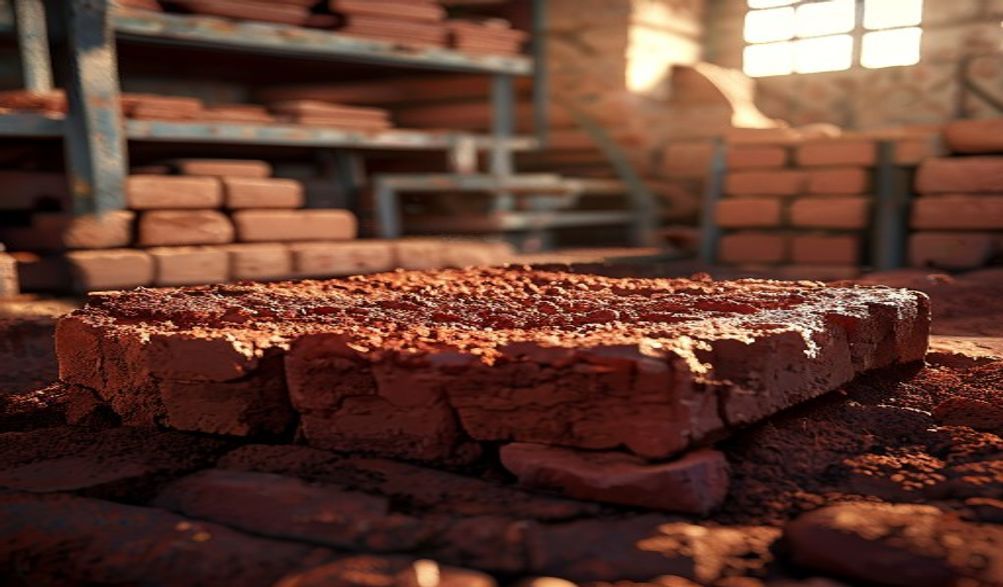
Kòman Chwazi yon Machin pou Fè Brik Tè: Yon Gid pou Achtè pou Konstriktè ak Antreprenè
Entwodiksyon
Peyizaj konstriksyon mondyal la ap chanje. Ak yon pi gwo anfaz sou dirabilite, abòdab, ak dire, moun k ap konstwi ak antreprenè yo ap reydekouvri youn nan pi ansyen materyèl konstriksyon limanite yo: tè a. Brik tè konprese modèn yo ofri yon solisyon konvenkan—ba konsomasyon enèji, bon mas tèmik, ak ekonomi siyifikatif nan kòb. Sepandan, pon ki genyen ant tè natirèl ak yon brik solid ak serye se machin ki fè li.
Chwazi ekipman ki pa apwopriye a ka deraye pwojè ou, sa ki mennen nan gaspyay kapital, kalite brik ki pa konsistan, ak reta fristran. Avèk plis pase yon deseni eksperyans nan machin konstriksyon dirab ak konsèy sou pwojè ki soti nan ti kay jiska devlopman komèsyal, mwen wè pièj yo ak siksè yo. Gid sa a distile ekspètiz pratik sa a nan yon kad klè, etap pa etap.
Objektif nou se bay ou konesans pou naje nan mache a ak konfyans. Nou pral depase ti liv vant pou rive nan faktè teknik ak pratik ki detèmine siksè nan mond reyèl la. Nan fen gid sa a, ou pral gen yon lis egzak pouki jan pou w chwazi yon machin pou fè brik tèki alinye pafètman ak tè ou a, pwojè ou a, ak anbisyon ou yo.
Kompwann Fason pou Fè Brik ak Tè: Kalite ak Pwosesis yo
Anvan ou konpare machin yo, li enpòtan pou konprann sa yo fè ak diferan teknoloji ki disponib yo.
Kisa yon Machin pou Fè Brik ak Tè ye?
Nan nwayo li, yon machin pou fè brik tè se yon aparèy ki konprese yon melanj de tè imid ak yon ti pousantaj estabilizatè (tankou siman oswa lacho) nan yon blòk dans ak solid. Pwosesis la pa itilize dife, sa ki fè li ekonomize enèji. Fonksyon prensipal machin nan se aplike presyon konsistan ak anpil fòs, ki ranje patikil tè yo, diminye espas vid, epi kreye yon lyen mekanik solid, sitou lè gen yon estabilizatè ki prezan.
Kalite Prensipal Machin: Manyèl kont Semi-Otomatik kont Otomatik Nèt
Chwa ou fè isit la fondamantalman detèmine echèl operasyon ou, bezwen travayè, ak bidjè ou.
-
Machin Manyèl:
- Kijan yo fonksyone:Fonksyone nèt ale nan fòs moun, anjeneral lè l sèvi avèk yon levye oswa yon krik idwolik.
- Avantaj:Pri ki pi ba, pa bezwen elektrisite, antretyen senp, trè pòtab.
- Desavantaj:Pwodiksyon trè ba (50-200 brik pa jou), mande anpil efò fizik, kalite a ka varye ak fatig operatè a.
- Pi bon pou:Pwojè DIY, ti-echèl agrikòl, inisyativ ki dirije pa kominote a ak anpil travay volontè, ak tès pwototip.
-
Machin Semi-Otomatik:
- Kijan yo fonksyone:Machin sa yo, ki mache ak elektrisite oswa gaz dyezèl, otomatize sik konpresyon an (souvan atravè yon sistèm idwolik), men yo bezwen yon operatè pou bay melanj la epi retire brik ki fini yo.
- Avantaj:Bon balans ant pri ak pwodiksyon (300-800 brik pa jou), bon jan kalite brik ki konsistan akòz presyon inifòm, mwens fatig kòporèl.
- Desavantaj:Pi gwo envestisman inisyal pase manyèl, bezwen yon sous kouran, mande fòmasyon debaz pou opere.
- Pi bon pou:Ti a mwayen antrepriz, pwojè lojman, ak antrepriz sosyal k ap chèche yon modèl pwodiksyon dirab.
-
Machin Otomatik Konplè:
- Kijan yo fonksyone:Sa yo se liy pwodiksyon konplè ak sistèm otomatik pou manje, konpresyon, ak ejeksyon brik, souvan ak sistèm konvèyè.
- Avantaj:Pwodiksyon gwo volim (1,000+ brik pa jou), konsistans maksimòm, travay dirèk minimòm pou chak brik.
- Desavantaj:Envestisman kapital enpòtan, mande yon pouvwa twa faz ki serye, konfigirasyon ak antretyen konplèks, bezwen plis espas.
- Pi bon pou:Yad pwodiksyon brik komèsyal gwo echèl ki ap apwovizyone gwo pwojè konstriksyon.
Wòl Estabilizasyon Tè a
Pa tout tè ki imedyatman pare pou fè brik. "Estabilizasyon" se kle a pou transfòme tè natirèl an yon blòk bilding ki dirab ak rezistan a move tan.
- Poukisa Stabilize?Estabilizatè yo (tipikman 5-10% siman oswa 5-15% lacho) mare chimikman ak patikil tè a. Sa ogmante fòs konpresif anpil, diminye ewozyon ki soti nan lapli, epi minimize fant retrè.
- Enpak sou Chwa Machin:Nivo estabilizasyon ki nesesè a depann de konpozisyon tè ou a. Yon tè ki gen anpil ajil bezwen plis estabilizasyon ak yon machin ki kapab fè presyon pi wo pou reyalize dansite. Machin nan dwe ase solid pou li ka jere melanj estabilize a ki yon ti kras pi abrasif.
Faktè Esansyèl Pou Konsidere Anvan Ou Achte
Sa se premye etap fondatè kote yon evalyasyon onèt anpeche erè ki koute chè.
Evalye Kondisyon Pwojè Ou
-
Pwodiksyon ak Objektif Pwodiksyon Brik:
- Kalkile bezwen ou pou brik chak jou oswa chak semen selon tan ou genyen pou konstriksyon an. Fè sa avèk reyalite.
- Match KritikKapasite rated yon machin (brik/èdtan) dwe satisfè bezwen sa a ak yon espas pou pèt efikasite. Achte yon machin twò gwo se gaspiye lajan; yon machin twò piti pral retade pwojè w la.
-
Espesifikasyon brik yo:
- Detèmine gwosè estanda yon brik nan rejyon ou (pa egzanp, 230mm x 110mm x 75mm) oswa si ou bezwen fòm ki anfòm youn ak lòt pou konstriksyon san mòtye.
- Machin nan opsyon mòd li yo mande sa. Epitou, obligasyon an.fòs konpresif(pa egzanp, pou yon kay yon sèl nivo vs yon kay twa nivo) detèmine dirèkteman pa kapasite presyon machin nan.
Analize Konpozisyon Tè Ou a
Sa a se etap ki pi enpòtan an, epi li se youn nan etap ki pi souvan neglije.
- Soil Testing is Non-Negotiable. A simple, inexpensive test will reveal the percentages of clay, silt, and sand.
- Ideal Mix: A “sandy-clay loam” often provides a good balance. Too much clay leads to excessive shrinkage; too much sand reduces cohesion.
- Informing Your Purchase: Your soil report tells you:
- The type and percentage of stabilizer needed.
- The minimum pressure required from your machine to properly compact your specific soil mix.
Evaluating Your Operational Context
- Disponiblite Sous Pouvwa Do you have reliable grid electricity? If not, factor in the cost of a generator capable of running a semi- or fully-automatic machine.
- Labor Skill & Availability: Who will operate and maintain it? Manual machines need muscle; automated ones need someone comfortable with basic mechanics and controls.
- Space and Setup: You need space for:
- The machine itself.
- Raw material storage (soil, stabilizer).
- A covered area for curing bricks (a critical 28-day process for cement-stabilized blocks).
Technical Specifications and Features Deep Dive
Now, let’s decode the technical details that separate a quality machine from a problematic one.
Pressure Capacity (The Key to Strength)
Pressure, measured in PSI (pounds per square inch) or MPa (Megapascals), is the engine of brick quality.
- The Direct Correlation: Higher pressure = denser brick = higher compressive strength and better water resistance.
- General Guidelines:
- Non-Load Bearing (e.g., infill walls): 500 – 1,000 PSI (3.5 – 7 MPa) may suffice.
- Mi ki Pote Chaj: Look for machines capable of 1,500 PSI (10 MPa) and above. For multi-story buildings, 2,000+ PSI (14+ MPa) is often recommended.
- Konsèy Pwofesyonèl: Ensure the stated pressure is the applied pressure during compaction, not just the hydraulic system pressure.
Machine Build Quality and Durability
This determines your machine’s lifespan and uptime.
- Konstriksyon Ankadreman Look for thick, reinforced steel sections, not light-gauge metal. Welds should be clean and robust.
- Sistèm Idwolik: The heart of the machine. Quality seals, valves, and a reliable pump are essential. Ask about the brand of key components.
- Pwoteksyon kont Korozyon: Powder coating or paint should be thick and even, especially if operating in a humid or coastal environment.
Mold Versatility and Customization
The mold defines your product. Standard rectangular molds are common, but consider:
- Interlocking Molds: Allow for faster, mortar-less construction with improved wall strength.
- Custom Sizes: Can you order different molds later from the supplier? This adds long-term business flexibility.
- Materyèl: Molds should be made from hardened steel to withstand abrasion.
After-Sales Support: A Non-Negotiable Factor
A machine is a long-term investment. Support is your safety net.
- Garanti: A minimum 1-year warranty on parts and workmanship is standard. Longer is better.
- Disponiblite Pyès Depo: Are common wear parts (seals, mold liners) readily available? What is the lead time?
- Sipò Teknik: Does the supplier offer installation guidance, troubleshooting, and operator training (even if remote)?
Financial Planning and ROI Analysis
Look beyond the sticker price to the true cost and potential earnings.
Understanding the Total Cost of Ownership
| Cost Category | Details & Considerations |
| :— | :— |
| Machine Purchase | Base price of the machine. |
| Shipping & Import | Can be substantial for international orders. Clarify Incoterms (e.g., FOB, CIF). |
| Installation | May require a technician’s visit or local tradesperson. |
| Raw Materials | Cost of soil (often free), stabilizer (cement/lime), and water. |
| Labor | Wages for operators. |
| Energy | Electricity or fuel for generators. |
| Maintenance | Annual budget for lubricants, spare parts, etc. |
Calculating Potential Return on Investment (ROI)
A simplified framework for entrepreneurs:
- Cost Per Brick: Add up all monthly operational costs (materials, labor, energy, maintenance amortization). Divide by your monthly production volume.
- Example: ($800 monthly cost) / (10,000 bricks) = $0.08 per brick.
- Market Price Per Brick: Research the local price for comparable fired clay or concrete bricks.
- Example: $0.25 per brick.
- Gross Profit Per Brick: Market Price – Your Cost.
- Example: $0.25 – $0.08 = $0.17 profit per brick.
- Peryòd Rembousman: Divide the total initial investment (machine + shipping + setup) by your monthly gross profit.
- Example: $10,000 investment / ($0.17 x 10,000 bricks/month = $1,700) = ~5.9 months.
Budgeting for Quality and Longevity
Never buy on price alone. A cheaper, lightly-built machine will have higher downtime, more frequent breakdowns, and a shorter life, making it more expensive in the long run. Invest in robust engineering.
The Supplier Selection Checklist
Your relationship with the supplier is as important as the machine itself.
Researching and Vetting Manufacturers
- Souviyans Konpayi an How long have they been manufacturing these specific machines?
- Client Portfolio & Testimonials: Ask for case studies or contact details of past buyers, especially in a similar climate.
- Sètifikasyon yo: Do they have ISO or other quality management certifications? It indicates process discipline.
The Importance of Requesting a Demo or Sample
- The Gold Standard: If possible, send your stabilized soil mix to the manufacturer for a test run. Evaluate the resulting brick’s strength, finish, and dimensional consistency.
- Questions for a Demo:
- “Can you walk me through the daily maintenance routine?”
- “What are the most common wear parts and their cost?”
- “How do you handle technical support requests?”
Reviewing Contracts and Warranties
Read the fine print. The warranty should clearly state:
* Coverage period for different components.
* What is excluded (e.g., damage from improper operation, wear parts).
* Who pays for shipping defective parts.
* Response time for support queries.
Kesyon yo poze souvan (FAQ)
Q1: What is the best soil mix for making compressed earth bricks?
A: While a well-graded “sandy-clay loam” (approx. 70% sand/gravel, 30% clay/silt) is often cited as a good starting point, there is no universal “best” mix. The only reliable method is a professional soil test. This test will provide a precise recipe for stabilization and confirm if your local soil is suitable.
Q2: Can I make bricks without adding cement or other stabilizers?
A: For traditional Adobe bricks (sun-dried), yes. However, for modern Blòk Tè Konprese ak Estabilize (BTKE) designed for structural, durable construction, a stabilizer is essential. Cement or lime provides the chemical strength and weather resistance needed for load-bearing walls, especially in areas with rainfall. Machines for CSEBs are built to handle the higher pressures required.
Q3: How much does a good soil brick making machine cost?
A: Prices vary dramatically based on type and capacity:
* Pwès Manyèl: $1,000 – $4,000 USD.
* Machin Semi-Otomatik: $5,000 – $20,000 USD.
* Liy Otomatik Konplè: $25,000 – $100,000+ USD.
Remember to budget for shipping, installation, and initial spare parts.
Q4: What is the typical maintenance required?
A: Daily and weekly routines are key:
* Daily: Clean the mold and machine frame of residual soil. Check hydraulic fluid levels and for any leaks.
* Weekly: Lubricate all moving parts (pivots, bearings) as per the manual. Inspect the mold for wear.
* Periodically: Change hydraulic fluid and filters as recommended. Check and tighten bolts on the frame.
Q5: Where can I get my soil tested?
A: Several accessible options exist:
* Local agricultural extension offices or co-ops.
* University departments of Civil Engineering, Geology, or Agriculture.
* Private construction materials testing laboratories.
* Some reputable machine suppliers offer testing services or can recommend labs.
Konklizyon
Choosing the right soil brick making machine is a systematic process, not a gamble. It begins with a clear understanding of your project’s scale and a non-negotiable soil test. From there, prioritize core technical specifications—especially pressure capacity and build quality—over flashy features. Develop a holistic financial plan that accounts for the total cost of ownership and a realistic ROI. Finally, partner with a reputable supplier whose after-sales support provides a foundation for your long-term success.
View this purchase not merely as buying a tool, but as investing in the foundational technology for your sustainable building venture. The right machine becomes a reliable partner for years, turning local earth into lasting value.
Ready to move forward? If you have a soil report or specific project parameters, feel free to reach out for a more tailored discussion. Share your goals or questions in the comments below—let’s build a conversation as solid as the bricks we aim to create. Mastering the process of selecting the perfect soil brick machine is your first step toward building a sustainable future.
<