
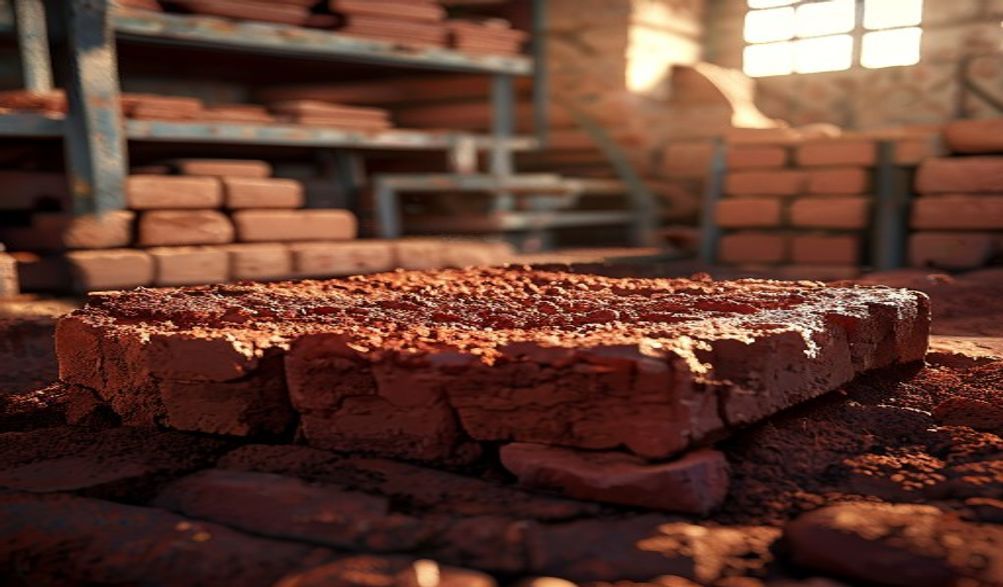
မြေအုတ်ခဲပြုလုပ်သည့်စက်ကို မည်သို့ရွေးချယ်မည်နည်း - အိမ်ဆောက်လုပ်သူများနှင့် စီးပွားရေးလုပ်ငန်းရှင်များအတွက် ဝယ်ယူသူလမ်းညွှန်
မိတ်ဆက်
ကမ္ဘာလုံးဆိုင်ရာ ဆောက်လုပ်ရေးနယ်ပယ်သည် ပြောင်းလဲလျက်ရှိသည်။ ရေရှည်တည်တံ့ခိုင်မြဲမှု၊ စရိတ်သက်သာမှုနှင့် ခံနိုင်ရည်ရှိမှုတို့ကို ပိုမိုအလေးထားလာသည်နှင့်အမျှ၊ ဆောက်လုပ်ရေးလုပ်ငန်းရှင်များနှင့် စွန့်ဦးတီထွင်သူများသည် လူသားတို့၏ ရှေးအကျဆုံး ဆောက်လုပ်ရေးပစ္စည်းတစ်ခုဖြစ်သော မြေကြီးကို ပြန်လည်ရှာဖွေတွေ့ရှိလာကြသည်။ ခေတ်မီဖိသိပ်ထားသော မြေအုတ်ခဲများသည် စွမ်းအင်သုံးစွဲမှုနည်းပါးခြင်း၊ အပူစွမ်းအင်သိုလှောင်နိုင်စွမ်းကောင်းမွန်ခြင်းနှင့် ကုန်ကျစရိတ်အများအပြားသက်သာစေခြင်းစသည့် ဆွဲဆောင်မှုရှိသော အဖြေတစ်ရပ်ကို ပေးစွမ်းနိုင်သည်။ သို့ရာတွင်၊ ကုန်ကြမ်းမြေစေးမှ ခိုင်ခံ့စိတ်ချရသော အုတ်ခဲအဖြစ်သို့ ဆက်သွယ်ပေးသည့် တံတားမှာ ထိုအုတ်ခဲကို ပြုလုပ်ပေးသော စက်ပင် ဖြစ်သည်။
မှားယွင်းစွာ စက်ပစ္စည်းရွေးချယ်မိခြင်းသည် သင့်စီမံကိန်းကို ရပ်တန့်သွားစေနိုင်ပြီး အရင်းအနှီးများ ဆုံးရှုံးခြင်း၊ အုတ်အရည်အသွေး မညီညာခြင်းနှင့် စိတ်ပျက်ဖွယ် နှောင့်နှေးမှုများကို ဖြစ်ပေါ်စေနိုင်ပါသည်။ ရေရှည်တည်တံ့သော ဆောက်လုပ်ရေးစက်ယန္တရားများနှင့် ပတ်သက်၍ ဆယ်စုနှစ်ကျော် အတွေ့အကြုံရှိပြီး အိမ်ခြေစိုက်ငယ်လေးများမှ စီးပွားဖြစ် ဖွံ့ဖြိုးရေးစီမံကိန်းအထိ အကြံပေးခဲ့သည့် အတွေ့အကြုံများအရ ကျရှုံးမှုများနှင့် အောင်မြင်မှုများကို မြင်တွေ့ခဲ့ရပါသည်။ ဤလမ်းညွှန်တွင် ထို လက်တွေ့ကျွမ်းကျင်မှုများကို ရှင်းလင်းပြတ်သားသော အဆင့်ဆင့် လုပ်ဆောင်ချက်များအဖြစ် ချုံ့ထုတ်ပေးထားပါသည်။
ကျွန်ုပ်တို့၏ ရည်ရွယ်ချက်မှာ စျေးကွက်အား ယုံကြည်မှုဖြင့် လမ်းကြောင်းရှာနိုင်ရန် အသိပညာများ သင့်အား ပေးအပ်ရန်ဖြစ်ပါသည်။ ရောင်းအားမြှင့်တင်ရေး ကြော်ငြာစာစောင်များထက် လက်တွေ့အောင်မြင်မှုကို ဆုံးဖြတ်ပေးသည့် အဓိက နည်းပညာဆိုင်ရာနှင့် လက်တွေ့အချက်များဆီသို့ ကျွန်ုပ်တို့ ချဉ်းကပ်ပါမည်။ ဤလမ်းညွှန်အဆုံးတွင် သင့်အနေဖြင့် တိကျသော စစ်ဆေးစာရင်းတစ်ခု ရရှိပါလိမ့်မည်။မြေအုတ်ပြားလုပ်စက်ရွေးချယ်နည်းမြေဆီလွှာ၊ သင့်စီမံကိန်းနှင့် ရည်မှန်းချက်များနှင့် လုံးဝကိုက်ညီသော
မြေစေးအုတ်ပြုလုပ်ခြင်း အကြောင်း နားလံုးခြင်း- အမျိုးအစားများနှင့် လုပ်ငန်းစဉ်များ
စက်ပစ္စည်းများကို နှိုင်းယှဉ်မည့်အချိန်မတိုင်မီ ၎င်းတို့၏လုပ်ဆောင်ချက်များနှင့် ရရှိနိုင်သော နည်းပညာအမျိုးအစားများကို နားလည်ထားရန် အရေးကြီးပါသည်။
မြေအုတ်ပြုလုပ်သည့်စက်ဆိုတာဘာလဲ။
အခြေခံအားဖြင့် မြေအုတ်ပြားပြုလုပ်သည့်စက်သည် စိုစွတ်နေသောမြေစာနှင့် အနည်းငယ်သော တည်ငြိမ်စေသည့်ပစ္စည်း (ဘိလပ်မြေ သို့မဟုတ် ထုံးကဲ့သို့) ရောစပ်ထားသောအရောအနှောကို သိပ်သည်းပြီးမာကျောသောအတုံးအခဲအဖြစ်သို့ ဖိသိပ်ပေးသည့် ကိရိယာတစ်ခုဖြစ်သည်။ ဤလုပ်ငန်းစဉ်တွင် မီးဖုတ်ခြင်းကို အသုံးမပြုသောကြောင့် စွမ်းအင်ချွေတာနိုင်သည်။ ဤစက်၏ အဓိကလုပ်ဆောင်ချက်မှာ ကြီးမားပြီး တစ်သမတ်တည်းဖိအားကို သက်ရောက်စေကာ မြေမှုန့်များကို ပြန်လည်စီစဉ်ပေးခြင်း၊ လေဟာနယ်များကို လျှော့ချပေးခြင်းနှင့် အထူးသဖြင့် တည်ငြိမ်စေသည့်ပစ္စည်းပါဝင်သည့်အခါ ခိုင်မာသော စက်ပိုင်းဆိုင်ရာ အတွဲအစပ်ကို ဖန်တီးပေးခြင်းတို့ဖြစ်သည်။
စက်များ၏ အဓိက အမျိုးအစားများ - လက်ဖြင့်မောင်းနှင်သောစက်၊ အချို့အစိတ်အပိုင်းအလိုအလျောက်လုပ်ဆောင်သောစက်၊ အလိုအလျောက်စက်
သင့်ရွေးချယ်မှုက သင့်လုပ်ငန်းရဲ့ အတိုင်းအတာ၊ လုပ်အားလိုအပ်ချက်နဲ့ ဘတ်ဂျက်ကို အခြေခံကျကျ ပုံဖော်ပေးပါတယ်။
-
လက်ဖြင့်မောင်းနှင်ရသော စက်များ
- သူတို့ဘယ်လိုအလုပ်လုပ်လဲလူသားတို့၏ စွမ်းအားဖြင့် လုံးဝလည်ပတ်သော၊ ပုံမှန်အားဖြင့် လီဗာ သို့မဟုတ် ဟိုက်ဒရောလစ်ဂျက်ကို အသုံးပြုသည်။
- အားသာချက်များကြိုတင်ကုန်ကျစရိတ်အနည်းဆုံး၊ လျှပ်စစ်မလိုအပ်၊ ပြုပြင်ထိန်းသိမ်းရေးလွယ်ကူ၊ သယ်ဆောင်ရလွယ်ကူ။
- အားနည်းချက်များအလွန်နည်းပါးသော ထုတ်လုပ်နိုင်စွမ်း (တစ်နေ့လျှင် အုတ် ၅၀-၂၀၀ ခန့်)၊ ကိုယ်ကာယအားစိုက်ထုတ်ရသည့် အလုပ်၊ လုပ်သားပင်ပန်းနွမ်းနယ်မှုအပေါ် မူတည်၍ အရည်အသွေး ပြောင်းလဲနိုင်ခြင်း။
- အကောင်းဆုံးဖြစ်သည်ကိုယ်တိုင်လုပ်ပရောဂျက်များ၊ သေးငယ်သည့်စိုက်ပျိုးမွေးမြူရေးလုပ်ငန်းများ၊ စေတနာ့ဝန်ထမ်းလုပ်အားပေါများစွာပါဝင်သည့် လူထုဦးဆောင်လှုပ်ရှားမှုများနှင့် ရှေ့ပြေးပုံစံစမ်းသပ်ခြင်းများ။
-
အချိန်ကုန်သက်သာစေသော စက်များ
- သူတို့ဘယ်လိုအလုပ်လုပ်လဲ These electrically or diesel-powered machines automate the compression cycle (often via a hydraulic system) but require an operator to feed the mixture and remove the finished brick.
- အားသာချက်များ Good balance of cost and output (300-800 bricks per day), consistent brick quality due to uniform pressure, less physically intensive.
- အားနည်းချက်များ Higher initial investment than manual, requires a power source, needs basic operational training.
- အကောင်းဆုံးဖြစ်သည် Small to medium-sized businesses, housing projects, and social enterprises looking for a sustainable production model.
-
အလိုအလျောက် အပြည့်အစုံ စက်များ
- သူတို့ဘယ်လိုအလုပ်လုပ်လဲ These are complete production lines with automated feeding, compression, and brick ejection, often with conveyor systems.
- အားသာချက်များ High-volume output (1,000+ bricks per day), maximum consistency, minimal direct labor per brick.
- အားနည်းချက်များ Significant capital investment, requires reliable three-phase power, complex setup and maintenance, needs more space.
- အကောင်းဆုံးဖြစ်သည် Large-scale commercial brick production yards supplying to major construction projects.
The Role of Soil Stabilization
Not all soil is immediately ready for brick-making. “Stabilization” is the key to transforming raw earth into a durable, weather-resistant building block.
- Why Stabilize? Stabilizers (typically 5-10% cement or 5-15% lime) chemically bind with the soil particles. This dramatically increases compressive strength, reduces erosion from rain, and minimizes shrinkage cracks.
- စက်ပစ္စည်းရွေးချယ်မှုအပေါ် သက်ရောက်မှု The required stabilization level depends on your soil’s composition. A clay-heavy soil needs more stabilization and a machine capable of higher pressure to achieve density. The machine must be robust enough to handle the slightly more abrasive stabilized mix.
Core Factors to Consider Before You Buy
This is the foundational step where honest assessment prevents costly mistakes.
Assessing Your Project Requirements
-
Brick Output & Production Goals:
- Calculate your daily or weekly brick requirement based on your construction timeline. Be realistic.
- Crucial Match: A machine’s rated capacity (bricks/hour) must meet this need with room for efficiency loss. Buying an oversized machine wastes money; an undersized one delays your project.
-
အုတ်အမျိုးအစားသတ်မှတ်ချက်များ
- Determine the standard brick size in your region (e.g., 230mm x 110mm x 75mm) or if you need interlocking shapes for mortar-less construction.
- The machine’s mold options dictate this. Also, the required compressive strength (e.g., for a single-story vs. a three-story building) is directly determined by the machine’s pressure capacity.
Analyzing Your Soil Composition
This is the most critical, and most often overlooked, step.
- Soil Testing is Non-Negotiable. A simple, inexpensive test will reveal the percentages of clay, silt, and sand.
- Ideal Mix: A “sandy-clay loam” often provides a good balance. Too much clay leads to excessive shrinkage; too much sand reduces cohesion.
- Informing Your Purchase: Your soil report tells you:
- The type and percentage of stabilizer needed.
- The minimum pressure required from your machine to properly compact your specific soil mix.
Evaluating Your Operational Context
- Power Source Availability: Do you have reliable grid electricity? If not, factor in the cost of a generator capable of running a semi- or fully-automatic machine.
- Labor Skill & Availability: Who will operate and maintain it? Manual machines need muscle; automated ones need someone comfortable with basic mechanics and controls.
- Space and Setup: You need space for:
- The machine itself.
- Raw material storage (soil, stabilizer).
- A covered area for curing bricks (a critical 28-day process for cement-stabilized blocks).
Technical Specifications and Features Deep Dive
Now, let’s decode the technical details that separate a quality machine from a problematic one.
Pressure Capacity (The Key to Strength)
Pressure, measured in PSI (pounds per square inch) or MPa (Megapascals), is the engine of brick quality.
- The Direct Correlation: Higher pressure = denser brick = higher compressive strength and better water resistance.
- General Guidelines:
- Non-Load Bearing (e.g., infill walls): 500 – 1,000 PSI (3.5 – 7 MPa) may suffice.
- Load-Bearing Walls: Look for machines capable of 1,500 PSI (10 MPa) and above. For multi-story buildings, 2,000+ PSI (14+ MPa) is often recommended.
- အဆင့်မြင့် အကြံပြုချက် Ensure the stated pressure is the applied pressure during compaction, not just the hydraulic system pressure.
Machine Build Quality and Durability
This determines your machine’s lifespan and uptime.
- ဘောင်တပ် ဆောက်လုပ်ခြင်း Look for thick, reinforced steel sections, not light-gauge metal. Welds should be clean and robust.
- ဟိုက်ဒရောလစ်စနစ် The heart of the machine. Quality seals, valves, and a reliable pump are essential. Ask about the brand of key components.
- သံချေးတက်ခြင်းကာကွယ်ခြင်း Powder coating or paint should be thick and even, especially if operating in a humid or coastal environment.
Mold Versatility and Customization
The mold defines your product. Standard rectangular molds are common, but consider:
- Interlocking Molds: Allow for faster, mortar-less construction with improved wall strength.
- Custom Sizes: Can you order different molds later from the supplier? This adds long-term business flexibility.
- ပစ္စည်း Molds should be made from hardened steel to withstand abrasion.
After-Sales Support: A Non-Negotiable Factor
A machine is a long-term investment. Support is your safety net.
- Warranty: A minimum 1-year warranty on parts and workmanship is standard. Longer is better.
- အပိုပစ္စည်းများ ရရှိနိုင်မှု Are common wear parts (seals, mold liners) readily available? What is the lead time?
- နည်းပညာအထောက်အပံ့ Does the supplier offer installation guidance, troubleshooting, and operator training (even if remote)?
Financial Planning and ROI Analysis
Look beyond the sticker price to the true cost and potential earnings.
Understanding the Total Cost of Ownership
| Cost Category | Details & Considerations |
| :— | :— |
| Machine Purchase | Base price of the machine. |
| Shipping & Import | Can be substantial for international orders. Clarify Incoterms (e.g., FOB, CIF). |
| Installation | May require a technician’s visit or local tradesperson. |
| Raw Materials | Cost of soil (often free), stabilizer (cement/lime), and water. |
| Labor | Wages for operators. |
| Energy | Electricity or fuel for generators. |
| Maintenance | Annual budget for lubricants, spare parts, etc. |
Calculating Potential Return on Investment (ROI)
A simplified framework for entrepreneurs:
- Cost Per Brick: Add up all monthly operational costs (materials, labor, energy, maintenance amortization). Divide by your monthly production volume.
- Example: ($800 monthly cost) / (10,000 bricks) = $0.08 per brick.
- Market Price Per Brick: Research the local price for comparable fired clay or concrete bricks.
- Example: $0.25 per brick.
- Gross Profit Per Brick: Market Price – Your Cost.
- Example: $0.25 – $0.08 = $0.17 profit per brick.
- Payback Period: Divide the total initial investment (machine + shipping + setup) by your monthly gross profit.
- Example: $10,000 investment / ($0.17 x 10,000 bricks/month = $1,700) = ~5.9 months.
Budgeting for Quality and Longevity
Never buy on price alone. A cheaper, lightly-built machine will have higher downtime, more frequent breakdowns, and a shorter life, making it more expensive in the long run. Invest in robust engineering.
The Supplier Selection Checklist
Your relationship with the supplier is as important as the machine itself.
Researching and Vetting Manufacturers
- Company History: How long have they been manufacturing these specific machines?
- Client Portfolio & Testimonials: Ask for case studies or contact details of past buyers, especially in a similar climate.
- အသိအမှတ်ပြုလက်မှတ်များ Do they have ISO or other quality management certifications? It indicates process discipline.
The Importance of Requesting a Demo or Sample
- The Gold Standard: If possible, send your stabilized soil mix to the manufacturer for a test run. Evaluate the resulting brick’s strength, finish, and dimensional consistency.
- Questions for a Demo:
- “Can you walk me through the daily maintenance routine?”
- “What are the most common wear parts and their cost?”
- “How do you handle technical support requests?”
Reviewing Contracts and Warranties
Read the fine print. The warranty should clearly state:
* Coverage period for different components.
* What is excluded (e.g., damage from improper operation, wear parts).
* Who pays for shipping defective parts.
* Response time for support queries.
မကြာခဏ မေးလေ့ရှိသော မေးခွန်းများ (FAQ)
Q1: What is the best soil mix for making compressed earth bricks?
က: While a well-graded “sandy-clay loam” (approx. 70% sand/gravel, 30% clay/silt) is often cited as a good starting point, there is no universal “best” mix. The only reliable method is a professional soil test. This test will provide a precise recipe for stabilization and confirm if your local soil is suitable.
Q2: Can I make bricks without adding cement or other stabilizers?
က: For traditional Adobe bricks (sun-dried), yes. However, for modern ဖိသိပ်ထားသော တည်ငြိမ်မြေအောက်ခံဘလောက်များ (CSEBs) designed for structural, durable construction, a stabilizer is essential. Cement or lime provides the chemical strength and weather resistance needed for load-bearing walls, especially in areas with rainfall. Machines for CSEBs are built to handle the higher pressures required.
Q3: How much does a good soil brick making machine cost?
က: Prices vary dramatically based on type and capacity:
* လက်ဖိပ်စက်များ $1,000 – $4,000 USD.
* အချိန်ကုန်သက်သာစေသော စက်များ $5,000 – $20,000 USD.
* အလိုအလျောက် လိုင်းများ အပြည့်အစုံ $25,000 – $100,000+ USD.
Remember to budget for shipping, installation, and initial spare parts.
Q4: What is the typical maintenance required?
က: Daily and weekly routines are key:
* Daily: Clean the mold and machine frame of residual soil. Check hydraulic fluid levels and for any leaks.
* Weekly: Lubricate all moving parts (pivots, bearings) as per the manual. Inspect the mold for wear.
* Periodically: Change hydraulic fluid and filters as recommended. Check and tighten bolts on the frame.
Q5: Where can I get my soil tested?
က: Several accessible options exist:
* Local agricultural extension offices or co-ops.
* University departments of Civil Engineering, Geology, or Agriculture.
* Private construction materials testing laboratories.
* Some reputable machine suppliers offer testing services or can recommend labs.
နိဂုံး
Choosing the right soil brick making machine is a systematic process, not a gamble. It begins with a clear understanding of your project’s scale and a non-negotiable soil test. From there, prioritize core technical specifications—especially pressure capacity and build quality—over flashy features. Develop a holistic financial plan that accounts for the total cost of ownership and a realistic ROI. Finally, partner with a reputable supplier whose after-sales support provides a foundation for your long-term success.
View this purchase not merely as buying a tool, but as investing in the foundational technology for your sustainable building venture. The right machine becomes a reliable partner for years, turning local earth into lasting value.
Ready to move forward? If you have a soil report or specific project parameters, feel free to reach out for a more tailored discussion. Share your goals or questions in the comments below—let’s build a conversation as solid as the bricks we aim to create. Mastering the process of selecting the perfect soil brick machine is your first step toward building a sustainable future.
<