
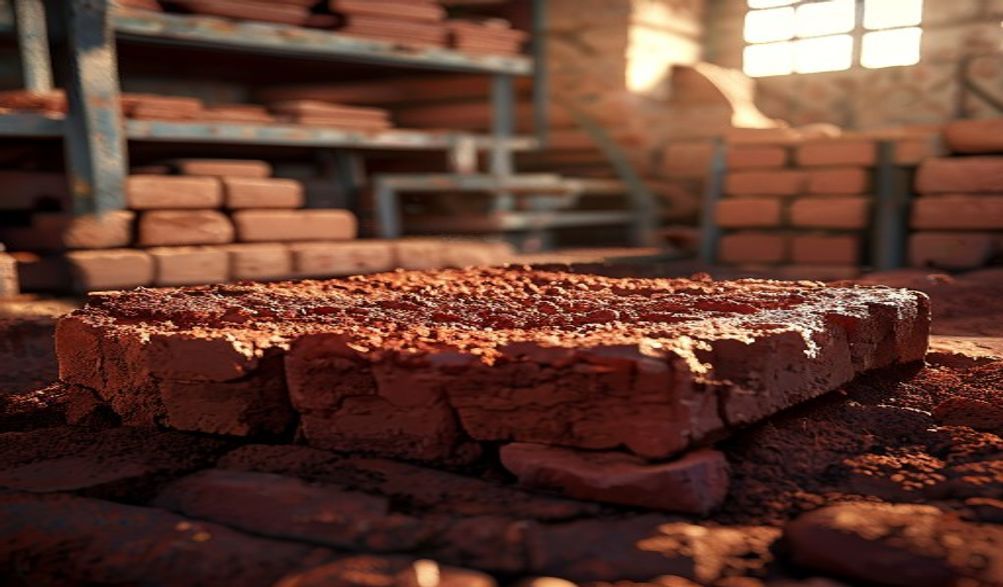
Como Escolher uma Máquina de Fabricar Tijolos de Solo: Um Guia para Construtores e Empreendedores
Introdução
O cenário global da construção está mudando. Com uma ênfase crescente em sustentabilidade, acessibilidade e durabilidade, construtores e empreendedores estão redescobrindo um dos materiais de construção mais antigos da humanidade: a terra. Os tijolos de terra comprimida moderna oferecem uma solução atraente: baixa energia incorporada, excelente massa térmica e economia significativa de custos. No entanto, a ponte entre o solo bruto e um tijolo resistente e confiável é a máquina que o produz.
Escolher o equipamento errado pode descarrilar seu projeto, levando a desperdício de capital, qualidade inconsistente dos tijolos e atrasos frustrantes. Com mais de uma década de experiência em maquinário de construção sustentável e assessoria em projetos que vão desde pequenas propriedades rurais até empreendimentos comerciais, eu já vi tanto as armadilhas quanto os sucessos. Este guia condensa essa expertise prática em um framework claro e passo a passo.
Nosso objetivo é capacitá-lo com o conhecimento para navegar pelo mercado com confiança. Vamos além dos folhetos de vendas para abordar os fatores técnicos e práticos essenciais que determinam o sucesso no mundo real. Ao final deste guia, você terá uma lista de verificação precisa paracomo escolher uma máquina de fazer tijolos de soloque se alinha perfeitamente com o seu solo, o seu projeto e as suas ambições.
Entendendo a Fabricação de Tijolos de Solo: Tipos e Processos
Antes de comparar máquinas, é crucial entender o que elas fazem e as diferentes tecnologias disponíveis.
O que é uma Máquina de Fabricar Tijolos de Solo?
Em sua essência, uma máquina de fabricar tijolos de solo é um dispositivo que comprime uma mistura de solo úmido e uma pequena porcentagem de estabilizador (como cimento ou cal) em um bloco denso e sólido. O processo não utiliza queima, tornando-o energeticamente eficiente. A função principal da máquina é aplicar uma pressão imensa e consistente, que reorganiza as partículas do solo, reduz os vazios e cria uma forte ligação mecânica, especialmente quando um estabilizador está presente.
Tipos Principais de Máquinas: Manual vs. Semi-Automática vs. Totalmente Automática
Sua escolha aqui molda fundamentalmente a escala da sua operação, as necessidades de mão de obra e o orçamento.
-
Máquinas Manuais:
- Como funcionam:Operado inteiramente por força humana, tipicamente utilizando uma alavanca ou um macaco hidráulico.
- Prós:Custo inicial mais baixo, não precisa de eletricidade, manutenção simples, altamente portátil.
- Contras:Produção muito baixa (50 a 200 tijolos por dia), fisicamente exigente, qualidade pode variar com o cansaço do operador.
- Melhor para:Projetos de faça-você-mês, pequena agricultura de subsistência, iniciativas lideradas pela comunidade com mão de obra voluntária abundante e testes de protótipos.
-
Máquinas Semiautomáticas:
- Como funcionam:Essas máquinas, movidas a eletricidade ou diesel, automatizam o ciclo de compressão (frequentemente por meio de um sistema hidráulico), mas exigem um operador para alimentar a mistura e remover o tijolo acabado.
- Prós:Bom equilíbrio entre custo e produção (300 a 800 tijolos por dia), qualidade consistente dos tijolos devido à pressão uniforme, menos fisicamente intensivo.
- Contras:Investimento inicial maior do que o manual, requer uma fonte de energia, necessita de treinamento operacional básico.
- Melhor para:Pequenas e médias empresas, projetos habitacionais e empreendimentos sociais em busca de um modelo de produção sustentável.
-
Máquinas Totalmente Automáticas:
- Como funcionam:Estas são linhas de produção completas com alimentação automática, compressão e ejeção de tijolos, frequentemente com sistemas de transportadores.
- Prós:Alta produção (mais de 1.000 tijolos por dia), máxima consistência, mão de obra direta mínima por tijolo.
- Contras:Investimento de capital significativo, requer energia trifásica confiável, configuração e manutenção complexas, necessita de mais espaço.
- Melhor para:Grandes pátios de produção comercial de tijolos que abastecem grandes projetos de construção.
O Papel da Estabilização do Solo
Nem todo solo está imediatamente pronto para a fabricação de tijolos. "Estabilização" é a chave para transformar a terra crua em um bloco de construção durável e resistente às intempéries.
- Por que estabilizar?Estabilizadores (tipicamente 5-10% de cimento ou 5-15% de cal) ligam-se quimicamente com as partículas do solo. Isso aumenta drasticamente a resistência à compressão, reduz a erosão pela chuva e minimiza as fissuras por retração.
- Impacto na Escolha da MáquinaO nível necessário de estabilização depende da composição do seu solo. Um solo com alta concentração de argila requer mais estabilização e uma máquina capaz de exercer maior pressão para atingir a densidade. A máquina deve ser robusta o suficiente para lidar com a mistura estabilizada, que é um pouco mais abrasiva.
Fatores Essenciais a Considerar Antes de Comprar
Este é o passo fundamental em que uma avaliação honesta evita erros dispendiosos.
Avaliando Seus Requisitos de Projeto
-
Produção e Metas de Produção de Tijolos:
- Calcule sua necessidade diária ou semanal de tijolos com base no cronograma da sua construção. Seja realista.
- Partida Crucial:A capacidade nominal de uma máquina (tijolos/hora) deve atender a essa necessidade com margem para perdas de eficiência. Comprar uma máquina superdimensionada desperdiça dinheiro; uma subdimensionada atrasa seu projeto.
-
Especificações do Tijolo:
- Determine o tamanho padrão do tijolo em sua região (por exemplo, 230mm x 110mm x 75mm) ou se você precisa de formas encaixáveis para construção sem argamassa.
- As opções de molde da máquina ditam isso. Além disso, o necessárioresistência à compressão(por exemplo, para um prédio de um andar versus um prédio de três andares) é diretamente determinado pela capacidade de pressão da máquina.
Análise da Composição do seu Solo
Este é o passo mais crítico e, com frequência, o mais negligenciado.
- Soil Testing is Non-Negotiable. A simple, inexpensive test will reveal the percentages of clay, silt, and sand.
- Ideal Mix: A “sandy-clay loam” often provides a good balance. Too much clay leads to excessive shrinkage; too much sand reduces cohesion.
- Informing Your Purchase: Your soil report tells you:
- The type and percentage of stabilizer needed.
- The minimum pressure required from your machine to properly compact your specific soil mix.
Evaluating Your Operational Context
- Disponibilidade da Fonte de Energia: Do you have reliable grid electricity? If not, factor in the cost of a generator capable of running a semi- or fully-automatic machine.
- Labor Skill & Availability: Who will operate and maintain it? Manual machines need muscle; automated ones need someone comfortable with basic mechanics and controls.
- Space and Setup: You need space for:
- The machine itself.
- Raw material storage (soil, stabilizer).
- A covered area for curing bricks (a critical 28-day process for cement-stabilized blocks).
Technical Specifications and Features Deep Dive
Now, let’s decode the technical details that separate a quality machine from a problematic one.
Pressure Capacity (The Key to Strength)
Pressure, measured in PSI (pounds per square inch) or MPa (Megapascals), is the engine of brick quality.
- The Direct Correlation: Higher pressure = denser brick = higher compressive strength and better water resistance.
- General Guidelines:
- Non-Load Bearing (e.g., infill walls): 500 – 1,000 PSI (3.5 – 7 MPa) may suffice.
- Paredes de Carga: Look for machines capable of 1,500 PSI (10 MPa) and above. For multi-story buildings, 2,000+ PSI (14+ MPa) is often recommended.
- Dica Pro: Ensure the stated pressure is the applied pressure during compaction, not just the hydraulic system pressure.
Machine Build Quality and Durability
This determines your machine’s lifespan and uptime.
- Construção da Estrutura: Look for thick, reinforced steel sections, not light-gauge metal. Welds should be clean and robust.
- Sistema Hidráulico: The heart of the machine. Quality seals, valves, and a reliable pump are essential. Ask about the brand of key components.
- Proteção contra Corrosão: Powder coating or paint should be thick and even, especially if operating in a humid or coastal environment.
Mold Versatility and Customization
The mold defines your product. Standard rectangular molds are common, but consider:
- Interlocking Molds: Allow for faster, mortar-less construction with improved wall strength.
- Custom Sizes: Can you order different molds later from the supplier? This adds long-term business flexibility.
- Material: Molds should be made from hardened steel to withstand abrasion.
After-Sales Support: A Non-Negotiable Factor
A machine is a long-term investment. Support is your safety net.
- Garantia: A minimum 1-year warranty on parts and workmanship is standard. Longer is better.
- Disponibilidade de Peças de Reposição: Are common wear parts (seals, mold liners) readily available? What is the lead time?
- Suporte Técnico: Does the supplier offer installation guidance, troubleshooting, and operator training (even if remote)?
Financial Planning and ROI Analysis
Look beyond the sticker price to the true cost and potential earnings.
Understanding the Total Cost of Ownership
| Cost Category | Details & Considerations |
| :— | :— |
| Machine Purchase | Base price of the machine. |
| Shipping & Import | Can be substantial for international orders. Clarify Incoterms (e.g., FOB, CIF). |
| Installation | May require a technician’s visit or local tradesperson. |
| Raw Materials | Cost of soil (often free), stabilizer (cement/lime), and water. |
| Labor | Wages for operators. |
| Energy | Electricity or fuel for generators. |
| Maintenance | Annual budget for lubricants, spare parts, etc. |
Calculating Potential Return on Investment (ROI)
A simplified framework for entrepreneurs:
- Cost Per Brick: Add up all monthly operational costs (materials, labor, energy, maintenance amortization). Divide by your monthly production volume.
- Example: ($800 monthly cost) / (10,000 bricks) = $0.08 per brick.
- Market Price Per Brick: Research the local price for comparable fired clay or concrete bricks.
- Example: $0.25 per brick.
- Gross Profit Per Brick: Market Price – Your Cost.
- Example: $0.25 – $0.08 = $0.17 profit per brick.
- Payback Period: Divide the total initial investment (machine + shipping + setup) by your monthly gross profit.
- Example: $10,000 investment / ($0.17 x 10,000 bricks/month = $1,700) = ~5.9 months.
Budgeting for Quality and Longevity
Never buy on price alone. A cheaper, lightly-built machine will have higher downtime, more frequent breakdowns, and a shorter life, making it more expensive in the long run. Invest in robust engineering.
The Supplier Selection Checklist
Your relationship with the supplier is as important as the machine itself.
Researching and Vetting Manufacturers
- Company History: How long have they been manufacturing these specific machines?
- Client Portfolio & Testimonials: Ask for case studies or contact details of past buyers, especially in a similar climate.
- Certificações: Do they have ISO or other quality management certifications? It indicates process discipline.
The Importance of Requesting a Demo or Sample
- The Gold Standard: If possible, send your stabilized soil mix to the manufacturer for a test run. Evaluate the resulting brick’s strength, finish, and dimensional consistency.
- Questions for a Demo:
- “Can you walk me through the daily maintenance routine?”
- “What are the most common wear parts and their cost?”
- “How do you handle technical support requests?”
Reviewing Contracts and Warranties
Read the fine print. The warranty should clearly state:
* Coverage period for different components.
* What is excluded (e.g., damage from improper operation, wear parts).
* Who pays for shipping defective parts.
* Response time for support queries.
Perguntas Frequentes (FAQ)
Q1: What is the best soil mix for making compressed earth bricks?
A: While a well-graded “sandy-clay loam” (approx. 70% sand/gravel, 30% clay/silt) is often cited as a good starting point, there is no universal “best” mix. The only reliable method is a professional soil test. This test will provide a precise recipe for stabilization and confirm if your local soil is suitable.
Q2: Can I make bricks without adding cement or other stabilizers?
A: For traditional Adobe bricks (sun-dried), yes. However, for modern Blocos de Terra Comprimida Estabilizada (BTCs) designed for structural, durable construction, a stabilizer is essential. Cement or lime provides the chemical strength and weather resistance needed for load-bearing walls, especially in areas with rainfall. Machines for CSEBs are built to handle the higher pressures required.
Q3: How much does a good soil brick making machine cost?
A: Prices vary dramatically based on type and capacity:
* Prensas Manuais: $1,000 – $4,000 USD.
* Máquinas Semiautomáticas: $5,000 – $20,000 USD.
* Linhas Totalmente Automáticas: $25,000 – $100,000+ USD.
Remember to budget for shipping, installation, and initial spare parts.
Q4: What is the typical maintenance required?
A: Daily and weekly routines are key:
* Diário: Clean the mold and machine frame of residual soil. Check hydraulic fluid levels and for any leaks.
* Semanal: Lubricate all moving parts (pivots, bearings) as per the manual. Inspect the mold for wear.
* Periodically: Change hydraulic fluid and filters as recommended. Check and tighten bolts on the frame.
Q5: Where can I get my soil tested?
A: Several accessible options exist:
* Local agricultural extension offices or co-ops.
* University departments of Civil Engineering, Geology, or Agriculture.
* Private construction materials testing laboratories.
* Some reputable machine suppliers offer testing services or can recommend labs.
Conclusão
Choosing the right soil brick making machine is a systematic process, not a gamble. It begins with a clear understanding of your project’s scale and a non-negotiable soil test. From there, prioritize core technical specifications—especially pressure capacity and build quality—over flashy features. Develop a holistic financial plan that accounts for the total cost of ownership and a realistic ROI. Finally, partner with a reputable supplier whose after-sales support provides a foundation for your long-term success.
View this purchase not merely as buying a tool, but as investing in the foundational technology for your sustainable building venture. The right machine becomes a reliable partner for years, turning local earth into lasting value.
Ready to move forward? If you have a soil report or specific project parameters, feel free to reach out for a more tailored discussion. Share your goals or questions in the comments below—let’s build a conversation as solid as the bricks we aim to create. Mastering the process of selecting the perfect soil brick machine is your first step toward building a sustainable future.
<