
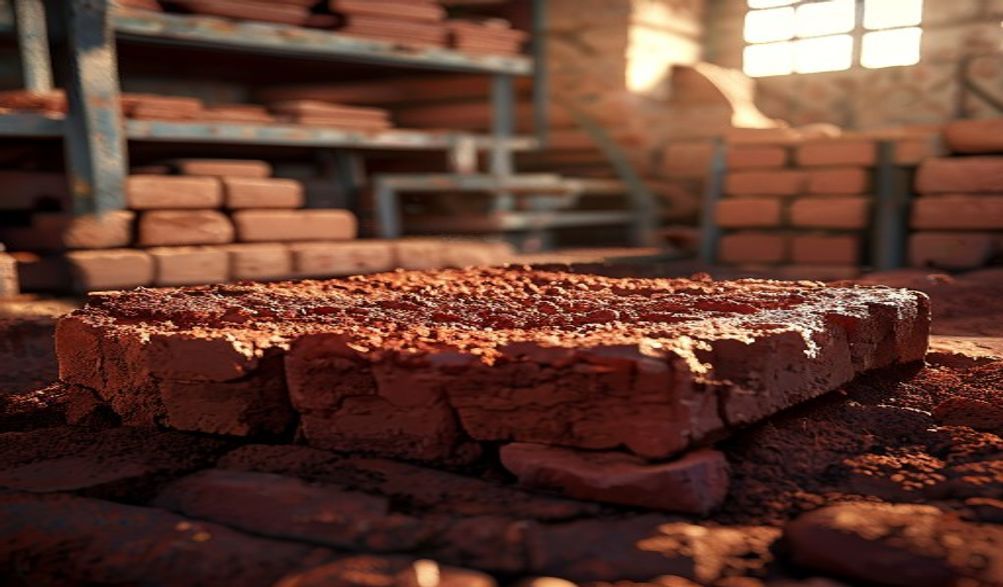
ວິທີເລືອກເຄື່ອງຜະລິດດິນຈີ່: ຄູ່ມືສຳລັບຜູ້ກໍ່ສ້າງ ແລະ ນັກທຸລະກິດ
ການແນະນຳ
ພູມສັນຖານການກໍ່ສ້າງທົ່ວໂລກກຳລັງປ່ຽນແປງ. ດ້ວຍຄວາມເນັ້ນໃສ່ຄວາມຍືນຍົງ, ລາຄາທີ່ເຫມາະສົມ ແລະ ຄວາມທົນທານທີ່ເພີ່ມຂຶ້ນ, ຜູ້ກໍ່ສ້າງ ແລະ ຜູ້ປະກອບການຕ່າງໆ ກຳລັງກັບມາຄົ້ນພົບວັດສະດຸກໍ່ສ້າງທີ່ເກົ່າແກ່ທີ່ສຸດອັນໜຶ່ງຂອງມະນຸດຄື: ດິນ. ກະເບື້ອງດິນອັດແຫນ້ນທີ່ທັນສະໄຫມໃຫ້ທາງອອກທີ່ໜ້າສົນໃຈ—ພະລັງງານທີ່ຖືກດູດຊືມຕ່ຳ, ຄວາມຮ້ອນທີ່ສົມດູນດີ ແລະ ການປະຢັດຄ່າໃຊ້ຈ່າຍຢ່າງຫຼວງຫຼາຍ. ແນວໃດກໍ່ຕາມ, ສິ່ງທີ່ເຊື່ອມຕໍ່ດິນດິບກັບກະເບື້ອງທີ່ແຂງແຮງ ແລະ ເຊື່ອຖືໄດ້ກໍຄືເຄື່ອງຈັກທີ່ຜະລິດມັນຂຶ້ນມາ.
ການເລືອກເຄື່ອງມືທີ່ບໍ່ເໝາະສົມສາມາດທຳລາຍໂຄງການຂອງເຈົ້າ ເຮັດໃຫ້ເສຍເງິນທຶນ ຄຸນນະພາບຢາງບໍ່ສະໝ່ຳສະເໝີ ແລະ ຊັກຊ້າທີ່ໜ້າເສຍໃຈ. ດ້ວຍປະສົບການຫຼາຍກວ່າສິບປີໃນເຄື່ອງຈັກກໍ່ສ້າງແບບຍືນຍົງ ແລະ ໃຫ້ຄຳແນະນຳໂຄງການຕັ້ງແຕ່ເຮືອນນ້ອຍຈົນຮອດໂຄງການການຄ້າຂະໜາດໃຫຍ່ ຂ້ອຍໄດ້ເຫັນທັງຂໍ້ຜິດພາດ ແລະ ຄວາມສຳເລັດ. ຄູ່ມືນີ້ໄດ້ສັງລວມຄວາມຊຳນານຕົວຈິງນັ້ນມາເປັນໂຄງສ້າງທີ່ຊັດເຈນ ເທື່ອລະຂັ້ນຕອນ.
ຈຸດປະສົງຂອງພວກເຮົາແມ່ນເພື່ອສະໜອງຄວາມຮູ້ທີ່ຈຳເປັນໃຫ້ທ່ານ ເພື່ອກ້າວເຂົ້າສູ່ຕະຫຼາດໄດ້ຢ່າງໝັ້ນໃຈ. ພວກເຮົາຈະກ້າວເຂົ້າສູ່ການວິເຄາະເລິກເຊິ່ງກວ່າເອກະສານການຂາຍ ໄປສູ່ປັດໃຈດ້ານວິຊາການ ແລະ ດ້ານການນຳໃຊ້ຈິງທີ່ກຳນົດຄວາມສຳເລັດໃນໂລກຈິງ. ໃນທີ່ສຸດຂອງຄູ່ມືນີ້, ທ່ານຈະໄດ້ຮັບບັນຊີລາຍການທີ່ຊັດເຈນສຳລັບ...ວິທີການເລືອກເຄື່ອງຈັກເຮັດດິນຈີ່ທີ່ສອດຄ່ອງຢ່າງສົມບູນກັບດິນຂອງທ່ານ, ໂຄງການຂອງທ່ານ, ແລະຄວາມມຸ່ງຫວັງຂອງທ່ານ.
ການເຂົ້າໃຈກ່ຽວກັບການຜະລິດດິນຈີ່: ປະເພດແລະຂະບວນການ
ກ່ອນທີ່ຈະປຽບທຽບເຄື່ອງຈັກ, ມັນເປັນສິ່ງສໍາຄັນທີ່ຈະເຂົ້າໃຈວ່າພວກມັນເຮັດຫຍັງ ແລະ ເຕັກໂນໂລຊີທີ່ມີຢູ່ແຕກຕ່າງກັນ.
ເຄື່ອງຈັກຜະລິດດິນຈີ່ແມ່ນຫຍັງ?
ເຄື່ອງຈັກຜະລິດດິນຈີ່ດິນ, ໃນແກ່ນສານຂອງມັນ, ແມ່ນອຸປະກອນທີ່ອັດສ່ວນປະສົມຂອງດິນທີ່ມີຄວາມຊຸ່ມ ແລະ ສານຄົງຕົວຈຳນວນນ້ອຍ (ເຊັ່ນ ຊີມັນ ຫຼື ປູນຂາວ) ໃຫ້ກາຍເປັນກ້ອນທີ່ແໜ້ນໜາ ແລະ ແຂງ. ຂະບວນການນີ້ບໍ່ໄດ້ໃຊ້ການເຜົາ, ເຊິ່ງເຮັດໃຫ້ປະຢັດພະລັງງານ. ໜ້າທີ່ຫຼັກຂອງເຄື່ອງຈັກແມ່ນການໃຊ້ແຮງດັນທີ່ມະຫາສານ ແລະ ສະໝໍ່າສະເໝີ, ເຊິ່ງຈະຈັດລະບຽບອະນຸພາກດິນ, ຫຼຸດຊ່ອງຫວ່າງ, ແລະ ສ້າງການຜູກມັດທາງກົນທີ່ແຂງແຮງ, ໂດຍສະເພາະເມື່ອມີສານຄົງຕົວຢູ່ນຳ.
ປະເພດຫຼັກຂອງເຄື່ອງຈັກ: ຄົນຄວບຄຸມ, ກົງກັນຄວາມເຄິ່ງອັດຕະໂນມັດ, ກັບອັດຕະໂນມັດສົມບູນ
ທາງເລືອກຂອງເຈົ້າຢູ່ທີ່ນີ້ ຈະກໍານົດຂະໜາດການດໍາເນີນງານ, ຄວາມຕ້ອງການແຮງງານ, ແລະ ງົບປະມານຂອງທ່ານໂດຍພື້ນຖານ.
-
ຈັກກົນມື:
- ພວກເຂົາເຮັດວຽກແນວໃດ:ດຳເນີນການທັງໝົດໂດຍພະລັງງານມະນຸດ, ສ່ວນຫຼາຍແມ່ນໃຊ້ຄານຍືດຫຼືແຈກລະບົບທາງນ້ຳ.
- ຂໍ້ດີ:ລາຄາຕໍ່າສຸດ, ບໍ່ຕ້ອງການໄຟຟ້າ, ບໍາລຸງຮັກສາງ່າຍ, ພົກພາສະດວກ.
- ຂໍ້ເສຍຜົນຜະລິດຕ່ຳຫຼາຍ (50-200 ກ້ອນຕໍ່ມື້), ຕ້ອງໃຊ້ແຮງງານທາງດ້ານຮ່າງກາຍ, ຄຸນນະພາບອາດຈະປ່ຽນແປງໄປຕາມຄວາມອິດເມື່ອຍຂອງຜູ້ປະຕິບັດງານ.
- ດີທີ່ສຸດສຳລັບ:ໂຄງການ DIY, ການດຳລົງຊີວິດແບບຄອບຄົວຂະໜາດນ້ອຍ, ການລິເລີ່ມໂດຍຊຸມຊົນທີ່ມີແຮງງານອາສາສະໝັກຢ່າງພຽງພໍ, ແລະການທົດສອບແບບຕົ້ນແບບ.
-
ເຄື່ອງຈັກກົງເຄື່ອງກາງ:
- ພວກເຂົາເຮັດວຽກແນວໃດ:ເຄື່ອງຈັກທີ່ໃຊ້ໄຟຟ້າ ຫຼື ນໍ້າມັນກາຊວນເຫຼົ່ານີ້ຈະເຮັດວົງຈອນການອັດແຕ່ງໂດຍອັດຕະໂນມັດ (ມັກຜ່ານລະບົບໄຮໂດຼລິກ) ແຕ່ຍັງຕ້ອງການຜູ້ປະຕິບັດການເພື່ອປ້ອນສ່ວນປະສົມ ແລະ ເອົາກ້ອນອິດທີ່ສຳເລັດອອກ.
- ຂໍ້ດີ:ດີໃນດ້ານຄ່າໃຊ້ຈ່າຍ ແລະ ຜົນຜະລິດ (300-800 ກ້ອນຕໍ່ວັນ), ຄຸນນະພາບດິນຈີ່ສະໝໍ່າສະເໝີ ເນື່ອງຈາກຄວາມດັນທີ່ສະໝໍ່າສະເໝີ, ແຮງງານທາງດ້ານຮ່າງກາຍໜ້ອຍລົງ.
- ຂໍ້ເສຍການລົງທຶນເລີ່ມຕົ້ນສູງກວ່າແບບມື, ຕ້ອງການແຫຼ່ງພະລັງງານ, ຕ້ອງການການຝຶກອົບຮົມດ້ານການດຳເນີນງານພື້ນຖານ.
- ດີທີ່ສຸດສຳລັບ:ວິສາຫະກິດຂະໜາດນ້ອຍຫາກາງ, ໂຄງການທີ່ຢູ່ອາໄສ, ແລະ ວິສາຫະກິດສັງຄົມທີ່ຊອກຫາຮູບແບບການຜະລິດແບບຍືນຍົງ.
-
ເຄື່ອງຈັກອັດຕະໂນມັດເຕັມຮູບແບບ
- ພວກເຂົາເຮັດວຽກແນວໃດ:ນີ້ແມ່ນສາຍການຜະລິດທີ່ສົມບູນແບບດ້ວຍການຫຼໍ່ລ້ຽງອາຫານອັດຕະໂນມັດ, ການກົດອັດ, ແລະການດຶງກ້ອນອິດ, ເຊິ່ງມັກຈະມີລະບົບສາຍພານ.
- ຂໍ້ດີ:ການຜະລິດຈຳນວນຫຼວງຫຼາຍ (ຫຼາຍກວ່າ 1,000 ກ້ອນຕໍ່ມື້), ຄວາມສະເໝີພາບສູງສຸດ, ແຮງງານໂດຍກົງໜ້ອຍທີ່ສຸດຕໍ່ກ້ອນ.
- ຂໍ້ເສຍການລົງທຶນທຶນຂະໜາດໃຫຍ່, ຕ້ອງການໄຟຟ້າສາມເສັ້ນທີ່ໝັ້ນຄົງ, ການຕິດຕັ້ງ ແລະ ບຳລຸງຮັກສາທີ່ຊັບຊ້ອນ, ຕ້ອງການພື້ນທີ່ຫຼາຍກວ່າ.
- ດີທີ່ສຸດສຳລັບ: Large-scale commercial brick production yards supplying to major construction projects.
The Role of Soil Stabilization
Not all soil is immediately ready for brick-making. “Stabilization” is the key to transforming raw earth into a durable, weather-resistant building block.
- Why Stabilize? Stabilizers (typically 5-10% cement or 5-15% lime) chemically bind with the soil particles. This dramatically increases compressive strength, reduces erosion from rain, and minimizes shrinkage cracks.
- Impact on Machine Choice: The required stabilization level depends on your soil’s composition. A clay-heavy soil needs more stabilization and a machine capable of higher pressure to achieve density. The machine must be robust enough to handle the slightly more abrasive stabilized mix.
Core Factors to Consider Before You Buy
This is the foundational step where honest assessment prevents costly mistakes.
Assessing Your Project Requirements
-
Brick Output & Production Goals:
- Calculate your daily or weekly brick requirement based on your construction timeline. Be realistic.
- Crucial Match: A machine’s rated capacity (bricks/hour) must meet this need with room for efficiency loss. Buying an oversized machine wastes money; an undersized one delays your project.
-
Brick Specifications:
- Determine the standard brick size in your region (e.g., 230mm x 110mm x 75mm) or if you need interlocking shapes for mortar-less construction.
- The machine’s mold options dictate this. Also, the required ຄວາມເຂັ້ມແຂງທາງກົນ (e.g., for a single-story vs. a three-story building) is directly determined by the machine’s pressure capacity.
Analyzing Your Soil Composition
This is the most critical, and most often overlooked, step.
- Soil Testing is Non-Negotiable. A simple, inexpensive test will reveal the percentages of clay, silt, and sand.
- Ideal Mix: A “sandy-clay loam” often provides a good balance. Too much clay leads to excessive shrinkage; too much sand reduces cohesion.
- Informing Your Purchase: Your soil report tells you:
- The type and percentage of stabilizer needed.
- The minimum pressure required from your machine to properly compact your specific soil mix.
Evaluating Your Operational Context
- Power Source Availability: Do you have reliable grid electricity? If not, factor in the cost of a generator capable of running a semi- or fully-automatic machine.
- Labor Skill & Availability: Who will operate and maintain it? Manual machines need muscle; automated ones need someone comfortable with basic mechanics and controls.
- Space and Setup: You need space for:
- The machine itself.
- Raw material storage (soil, stabilizer).
- A covered area for curing bricks (a critical 28-day process for cement-stabilized blocks).
Technical Specifications and Features Deep Dive
Now, let’s decode the technical details that separate a quality machine from a problematic one.
Pressure Capacity (The Key to Strength)
Pressure, measured in PSI (pounds per square inch) or MPa (Megapascals), is the engine of brick quality.
- The Direct Correlation: Higher pressure = denser brick = higher compressive strength and better water resistance.
- General Guidelines:
- Non-Load Bearing (e.g., infill walls): 500 – 1,000 PSI (3.5 – 7 MPa) may suffice.
- Load-Bearing Walls: Look for machines capable of 1,500 PSI (10 MPa) and above. For multi-story buildings, 2,000+ PSI (14+ MPa) is often recommended.
- Pro Tip: Ensure the stated pressure is the applied pressure during compaction, not just the hydraulic system pressure.
Machine Build Quality and Durability
This determines your machine’s lifespan and uptime.
- Frame Construction: Look for thick, reinforced steel sections, not light-gauge metal. Welds should be clean and robust.
- ລະບົບນ້ຳມັນເຄື່ອງ: The heart of the machine. Quality seals, valves, and a reliable pump are essential. Ask about the brand of key components.
- ການປ້ອງກັນການກັດກ່ອນ: Powder coating or paint should be thick and even, especially if operating in a humid or coastal environment.
Mold Versatility and Customization
The mold defines your product. Standard rectangular molds are common, but consider:
- Interlocking Molds: Allow for faster, mortar-less construction with improved wall strength.
- Custom Sizes: Can you order different molds later from the supplier? This adds long-term business flexibility.
- ວັດສະດຸ Molds should be made from hardened steel to withstand abrasion.
After-Sales Support: A Non-Negotiable Factor
A machine is a long-term investment. Support is your safety net.
- Warranty: A minimum 1-year warranty on parts and workmanship is standard. Longer is better.
- Spare Parts Availability: Are common wear parts (seals, mold liners) readily available? What is the lead time?
- Technical Support: Does the supplier offer installation guidance, troubleshooting, and operator training (even if remote)?
Financial Planning and ROI Analysis
Look beyond the sticker price to the true cost and potential earnings.
Understanding the Total Cost of Ownership
| Cost Category | Details & Considerations |
| :— | :— |
| Machine Purchase | Base price of the machine. |
| Shipping & Import | Can be substantial for international orders. Clarify Incoterms (e.g., FOB, CIF). |
| Installation | May require a technician’s visit or local tradesperson. |
| Raw Materials | Cost of soil (often free), stabilizer (cement/lime), and water. |
| Labor | Wages for operators. |
| Energy | Electricity or fuel for generators. |
| Maintenance | Annual budget for lubricants, spare parts, etc. |
Calculating Potential Return on Investment (ROI)
A simplified framework for entrepreneurs:
- Cost Per Brick: Add up all monthly operational costs (materials, labor, energy, maintenance amortization). Divide by your monthly production volume.
- Example: ($800 monthly cost) / (10,000 bricks) = $0.08 per brick.
- Market Price Per Brick: Research the local price for comparable fired clay or concrete bricks.
- Example: $0.25 per brick.
- Gross Profit Per Brick: Market Price – Your Cost.
- Example: $0.25 – $0.08 = $0.17 profit per brick.
- Payback Period: Divide the total initial investment (machine + shipping + setup) by your monthly gross profit.
- Example: $10,000 investment / ($0.17 x 10,000 bricks/month = $1,700) = ~5.9 months.
Budgeting for Quality and Longevity
Never buy on price alone. A cheaper, lightly-built machine will have higher downtime, more frequent breakdowns, and a shorter life, making it more expensive in the long run. Invest in robust engineering.
The Supplier Selection Checklist
Your relationship with the supplier is as important as the machine itself.
Researching and Vetting Manufacturers
- Company History: How long have they been manufacturing these specific machines?
- Client Portfolio & Testimonials: Ask for case studies or contact details of past buyers, especially in a similar climate.
- Certifications: Do they have ISO or other quality management certifications? It indicates process discipline.
The Importance of Requesting a Demo or Sample
- The Gold Standard: If possible, send your stabilized soil mix to the manufacturer for a test run. Evaluate the resulting brick’s strength, finish, and dimensional consistency.
- Questions for a Demo:
- “Can you walk me through the daily maintenance routine?”
- “What are the most common wear parts and their cost?”
- “How do you handle technical support requests?”
Reviewing Contracts and Warranties
Read the fine print. The warranty should clearly state:
* Coverage period for different components.
* What is excluded (e.g., damage from improper operation, wear parts).
* Who pays for shipping defective parts.
* Response time for support queries.
Frequently Asked Questions (FAQ)
Q1: What is the best soil mix for making compressed earth bricks?
A: While a well-graded “sandy-clay loam” (approx. 70% sand/gravel, 30% clay/silt) is often cited as a good starting point, there is no universal “best” mix. The only reliable method is a professional soil test. This test will provide a precise recipe for stabilization and confirm if your local soil is suitable.
Q2: Can I make bricks without adding cement or other stabilizers?
A: For traditional Adobe bricks (sun-dried), yes. However, for modern Compressed Stabilized Earth Blocks (CSEBs) designed for structural, durable construction, a stabilizer is essential. Cement or lime provides the chemical strength and weather resistance needed for load-bearing walls, especially in areas with rainfall. Machines for CSEBs are built to handle the higher pressures required.
Q3: How much does a good soil brick making machine cost?
A: Prices vary dramatically based on type and capacity:
* Manual Presses: $1,000 – $4,000 USD.
* ເຄື່ອງຈັກກົງເຄື່ອງກາງ: $5,000 – $20,000 USD.
* Fully Automatic Lines: $25,000 – $100,000+ USD.
Remember to budget for shipping, installation, and initial spare parts.
Q4: What is the typical maintenance required?
A: Daily and weekly routines are key:
* Daily: Clean the mold and machine frame of residual soil. Check hydraulic fluid levels and for any leaks.
* Weekly: Lubricate all moving parts (pivots, bearings) as per the manual. Inspect the mold for wear.
* Periodically: Change hydraulic fluid and filters as recommended. Check and tighten bolts on the frame.
Q5: Where can I get my soil tested?
A: Several accessible options exist:
* Local agricultural extension offices or co-ops.
* University departments of Civil Engineering, Geology, or Agriculture.
* Private construction materials testing laboratories.
* Some reputable machine suppliers offer testing services or can recommend labs.
ສະຫຼຸບ
Choosing the right soil brick making machine is a systematic process, not a gamble. It begins with a clear understanding of your project’s scale and a non-negotiable soil test. From there, prioritize core technical specifications—especially pressure capacity and build quality—over flashy features. Develop a holistic financial plan that accounts for the total cost of ownership and a realistic ROI. Finally, partner with a reputable supplier whose after-sales support provides a foundation for your long-term success.
View this purchase not merely as buying a tool, but as investing in the foundational technology for your sustainable building venture. The right machine becomes a reliable partner for years, turning local earth into lasting value.
Ready to move forward? If you have a soil report or specific project parameters, feel free to reach out for a more tailored discussion. Share your goals or questions in the comments below—let’s build a conversation as solid as the bricks we aim to create. Mastering the process of selecting the perfect soil brick machine is your first step toward building a sustainable future.
<