
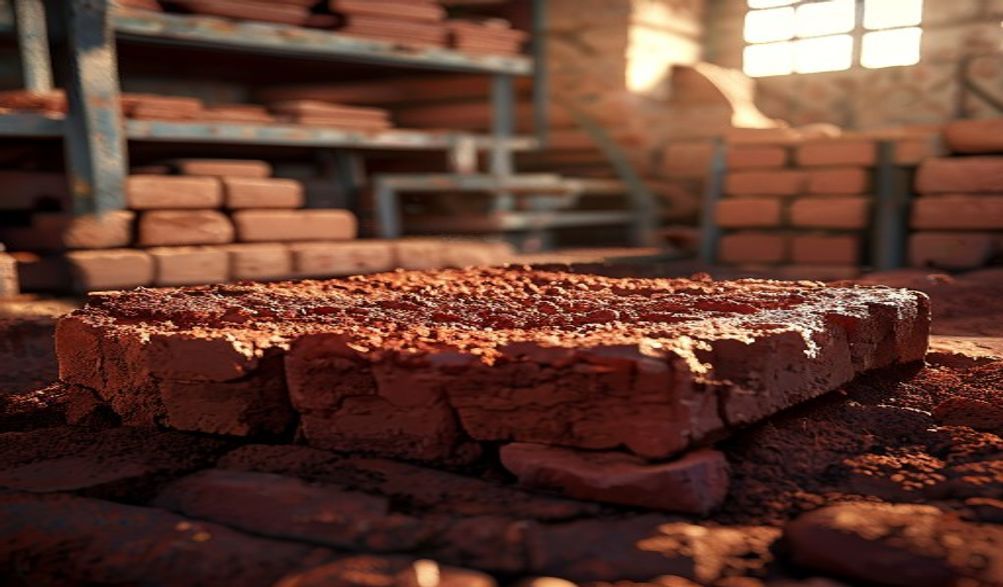
Toprak Kiremit Ýasama Maşynyny Nädip Saýlamaly: Gurluşçylar we Telekeçiler Üçin Satyn Ajy Gollanmasy
Giriş
Dünýä gurluşyk peýzasy üýtgeýär. Töwekgelçilik, elýeterlilik we uzakömürlilik üns berilmegi bilen, gurluşykçylar we telekeçiler adamzadyň iň gadymy gurluşyk materiallarynyň birini: topragy täzeden kesgitleýärler. Häzirki zaman gysylan kerpiçler çylşyrymly çözgüt hödürleýär—pes energiýa sarp ediş, ajaýyp termiki massa we ähmiýetli baha tygşytlamasy. Emma, çyg kerpiç we berk, ygtybarly kerpiç arasyndaky köpri, ony ýasýan maşyndyr.
Nädogry enjamlary saýlamak, taslabyňyzyň ýolundan çykmasyna sebäp bolup, serişdeleriňiziň telek bolmagyna, kerpiçleriň hiliniň üýtgewsiz bolmagyna we gijä galmalaryň döremegine getirip biler. Kiçi jaýlardan başlap, söwda taslamalaryna çenli dowam eden taslamalary maslahatlandyrmak we tebigata uýgun gurluşyk enjamlary boýunça on ýyldan gowrak tejribe bilen, men bu ýoldaky kynçylyklary we üstünlikleri öz gözüm bilen gördüm. Bu gollanma, şol amaly tejribäni aýdyň we ädim-be-ädim gurluşyk tertibine öwürýär.
Bizim maksadymyz, bazary yürekli geçmek üçin zerur bilim bilen size güýç bermekdir. Biz satuw broşýuralaryndan daşary çykyp, hakyky dünýä üstünligini kesgitleýän esasy tehniki we amaly amillere geçeris. Bu gollanmanyň soňunda, sizde ... üçin takyk barlag sanawy bolar.toprak kiremit ýasama maşynyny nädip saýlamalyбул siziň topragyňyza, taslamanyňyza we maksatlaryňyza doly gabat gelýär.
Toprak Kiremit Ýasamak: Görnüşleri we Prosesleri
Maşynlary deňeşdirmekden öň, olaryň näme edýändigini we elýeterli dürli tehnologiýalary düşünmek möhümdir.
Toprak Kiremit Ýasama Maşyny Näme?
Esasynda, toprak kerpiç ýasama maşyny, çygly topragyň we kiçi göterimde berkidiji maddanyň (sement ýa-da aky ýaly) garyndysyny ýygy, berk bloka çenli gysýan enjamdyr. Bu proses ýangyç ulanmaýar, şonuň üçin energiýa tygşytlaýandyr. Maşynyň esasy wezipesi uly we yzygiderli basyş ýetirmek bolup, bu bolsa toprak bölejiklerini gaýtadan tertipleýär, boşluklary azaldýar we esasanam berkidiji madda bar bolanda, güýçli mehaniki baglanyşyk döredýär.
Maşynlaryň Esasy Görnüşleri: El bilen Işleýän ýa-da Ýarym Awtomatik ýa-da Doly Awtomatik
Bu ýerde saýlanan opsiýaňyz işiňiziň ölçegini, iş güjü talabyny we büdžetini esasyndan kesgitleýär.
-
Elderly Machines:
- Olar nädip işleýär:Tamamyleýin adam güýji bilen işledilýär, adatça lever ýa-da gidrawlýk domkrat ulanylýar.
- Artalary:Iň pes başlangyç bahasy, elektr energiýasy gerek däl, ýönekeý serişde, ýüksek portabel.
- Kemçilikler:Hasaba alnyň gaty pes (günde 50-200 kerpiç), fiziki taýdan agyr we operator ýadawlygy bilen hil üýtgäp bilýär.
- Iň gowy bolýar:Өз-өзүң ишлеп табуу долары, кичи масштабдагы фермерлик, кенг ыктыярчы эмгек менен ишке ашырылуучу жамаат демилгелери жана прототиплерди сынау.
-
Ýary-awtomatik maşynlar:
- Olar nädip işleýär:Bu elektrik ýa-da dizel bilen işleýän maşynlar gysma sikli awtomatlaşdyrýar (köplenç gidrawliki ulgam arkaly), emma garyndyny iýmitlendirmek we taýýar kerpiji aýyrmak üçin operator gerek.
- Artalary:Bahada we çykyşa gowy balans (günde 300-800 kerpiç), deň basyş sebäpli kerpiç hiliniň yzygiderliligi, fiziki taýdan az agyr.
- Kemçilikler:El goýum gollama usuldan has ýokary, elektrik çeşmesini talap edýär, esasy iş ýörelgesi boýunça tälim zerurdyr.
- Iň gowy bolýar:Kiçi we orta telekeçilikler, jaý taslamalary we durnukly önümçilik modelini gözleýän sosial kärhanalar.
-
Doly Awtomatik Maşynlar:
- Olar nädip işleýär:Bu, awtomatik iýmitlendiriş, gysyş we kerpiç çykaryş, köplenç konweýer ulgamlary bilen doly önümçilik liniýalarydyr.
- Artalary:Ýokary möçberli önümçilik (günde 1000+ kerpiç), iň ýokary yzygiderlilik, kerpiç başyna iň az gönüden-göni işçi güýji.
- Kemçilikler:Ýokary maýa goýumy, ygtybarly üç fazaly elektrik energiýasyny talap edýär, çylşyrymly gurnama we hyzmat etme, has köp meýdany gerek edýär.
- Iň gowy bolýar:Iri göwrümli täjirçilik kerpiç önümçilik meýdançalary, esasy gurluşyk taslamalaryna üpjün edýär.
The Role of Soil Stabilization
Not all soil is immediately ready for brick-making. “Stabilization” is the key to transforming raw earth into a durable, weather-resistant building block.
- Why Stabilize? Stabilizers (typically 5-10% cement or 5-15% lime) chemically bind with the soil particles. This dramatically increases compressive strength, reduces erosion from rain, and minimizes shrinkage cracks.
- Maşyn Saýlanyşyna Täsiri: The required stabilization level depends on your soil’s composition. A clay-heavy soil needs more stabilization and a machine capable of higher pressure to achieve density. The machine must be robust enough to handle the slightly more abrasive stabilized mix.
Satyn almanka göz öňünde tutmaly esasy faktorlar
This is the foundational step where honest assessment prevents costly mistakes.
Assessing Your Project Requirements
-
Brick Output & Production Goals:
- Calculate your daily or weekly brick requirement based on your construction timeline. Be realistic.
- Crucial Match: A machine’s rated capacity (bricks/hour) must meet this need with room for efficiency loss. Buying an oversized machine wastes money; an undersized one delays your project.
-
Kerpiç spesifikasiýalary:
- Determine the standard brick size in your region (e.g., 230mm x 110mm x 75mm) or if you need interlocking shapes for mortar-less construction.
- The machine’s mold options dictate this. Also, the required gykylyş güýji (e.g., for a single-story vs. a three-story building) is directly determined by the machine’s pressure capacity.
Analyzing Your Soil Composition
This is the most critical, and most often overlooked, step.
- Soil Testing is Non-Negotiable. A simple, inexpensive test will reveal the percentages of clay, silt, and sand.
- Ideal Mix: A “sandy-clay loam” often provides a good balance. Too much clay leads to excessive shrinkage; too much sand reduces cohesion.
- Informing Your Purchase: Your soil report tells you:
- The type and percentage of stabilizer needed.
- The minimum pressure required from your machine to properly compact your specific soil mix.
Evaluating Your Operational Context
- Power Source Availability: Do you have reliable grid electricity? If not, factor in the cost of a generator capable of running a semi- or fully-automatic machine.
- Labor Skill & Availability: Who will operate and maintain it? Manual machines need muscle; automated ones need someone comfortable with basic mechanics and controls.
- Space and Setup: You need space for:
- The machine itself.
- Raw material storage (soil, stabilizer).
- A covered area for curing bricks (a critical 28-day process for cement-stabilized blocks).
Technical Specifications and Features Deep Dive
Now, let’s decode the technical details that separate a quality machine from a problematic one.
Pressure Capacity (The Key to Strength)
Pressure, measured in PSI (pounds per square inch) or MPa (Megapascals), is the engine of brick quality.
- The Direct Correlation: Higher pressure = denser brick = higher compressive strength and better water resistance.
- General Guidelines:
- Non-Load Bearing (e.g., infill walls): 500 – 1,000 PSI (3.5 – 7 MPa) may suffice.
- Ýük Daşamakly Diwarlar: Look for machines capable of 1,500 PSI (10 MPa) and above. For multi-story buildings, 2,000+ PSI (14+ MPa) is often recommended.
- Professional Maslahat: Ensure the stated pressure is the applied pressure during compaction, not just the hydraulic system pressure.
Machine Build Quality and Durability
This determines your machine’s lifespan and uptime.
- Каркаслык курулуш: Look for thick, reinforced steel sections, not light-gauge metal. Welds should be clean and robust.
- Gidrawlik ulgam: The heart of the machine. Quality seals, valves, and a reliable pump are essential. Ask about the brand of key components.
- Korroziýadan Gorag: Powder coating or paint should be thick and even, especially if operating in a humid or coastal environment.
Mold Versatility and Customization
The mold defines your product. Standard rectangular molds are common, but consider:
- Interlocking Molds: Allow for faster, mortar-less construction with improved wall strength.
- Custom Sizes: Can you order different molds later from the supplier? This adds long-term business flexibility.
- Material: Molds should be made from hardened steel to withstand abrasion.
After-Sales Support: A Non-Negotiable Factor
A machine is a long-term investment. Support is your safety net.
- Warranty: A minimum 1-year warranty on parts and workmanship is standard. Longer is better.
- Ätiýaçlyk bölekleriniň bardygy: Are common wear parts (seals, mold liners) readily available? What is the lead time?
- Техникалық қолдау Does the supplier offer installation guidance, troubleshooting, and operator training (even if remote)?
Financial Planning and ROI Analysis
Look beyond the sticker price to the true cost and potential earnings.
Understanding the Total Cost of Ownership
| Cost Category | Details & Considerations |
| :— | :— |
| Machine Purchase | Base price of the machine. |
| Shipping & Import | Can be substantial for international orders. Clarify Incoterms (e.g., FOB, CIF). |
| Installation | May require a technician’s visit or local tradesperson. |
| Raw Materials | Cost of soil (often free), stabilizer (cement/lime), and water. |
| Labor | Wages for operators. |
| Energy | Electricity or fuel for generators. |
| Maintenance | Annual budget for lubricants, spare parts, etc. |
Calculating Potential Return on Investment (ROI)
A simplified framework for entrepreneurs:
- Cost Per Brick: Add up all monthly operational costs (materials, labor, energy, maintenance amortization). Divide by your monthly production volume.
- Example: ($800 monthly cost) / (10,000 bricks) = $0.08 per brick.
- Market Price Per Brick: Research the local price for comparable fired clay or concrete bricks.
- Example: $0.25 per brick.
- Gross Profit Per Brick: Market Price – Your Cost.
- Example: $0.25 – $0.08 = $0.17 profit per brick.
- Payback Period: Divide the total initial investment (machine + shipping + setup) by your monthly gross profit.
- Example: $10,000 investment / ($0.17 x 10,000 bricks/month = $1,700) = ~5.9 months.
Budgeting for Quality and Longevity
Never buy on price alone. A cheaper, lightly-built machine will have higher downtime, more frequent breakdowns, and a shorter life, making it more expensive in the long run. Invest in robust engineering.
The Supplier Selection Checklist
Your relationship with the supplier is as important as the machine itself.
Researching and Vetting Manufacturers
- Company History: How long have they been manufacturing these specific machines?
- Client Portfolio & Testimonials: Ask for case studies or contact details of past buyers, especially in a similar climate.
- Ygtyýarnamalar: Do they have ISO or other quality management certifications? It indicates process discipline.
The Importance of Requesting a Demo or Sample
- The Gold Standard: If possible, send your stabilized soil mix to the manufacturer for a test run. Evaluate the resulting brick’s strength, finish, and dimensional consistency.
- Questions for a Demo:
- “Can you walk me through the daily maintenance routine?”
- “What are the most common wear parts and their cost?”
- “How do you handle technical support requests?”
Reviewing Contracts and Warranties
Read the fine print. The warranty should clearly state:
* Coverage period for different components.
* What is excluded (e.g., damage from improper operation, wear parts).
* Who pays for shipping defective parts.
* Response time for support queries.
Frequently Asked Questions (FAQ)
Q1: What is the best soil mix for making compressed earth bricks?
A: While a well-graded “sandy-clay loam” (approx. 70% sand/gravel, 30% clay/silt) is often cited as a good starting point, there is no universal “best” mix. The only reliable method is a professional soil test. This test will provide a precise recipe for stabilization and confirm if your local soil is suitable.
Q2: Can I make bricks without adding cement or other stabilizers?
A: For traditional Adobe bricks (sun-dried), yes. However, for modern Ыкмаландырылан мыктыландырылан топрак блоклары (ЫМТБ) designed for structural, durable construction, a stabilizer is essential. Cement or lime provides the chemical strength and weather resistance needed for load-bearing walls, especially in areas with rainfall. Machines for CSEBs are built to handle the higher pressures required.
Q3: How much does a good soil brick making machine cost?
A: Prices vary dramatically based on type and capacity:
* Кол менен басуу: $1,000 – $4,000 USD.
* Ýary-awtomatik maşynlar: $5,000 – $20,000 USD.
* Doly Awtomatik ýollary: $25,000 – $100,000+ USD.
Remember to budget for shipping, installation, and initial spare parts.
Q4: What is the typical maintenance required?
A: Daily and weekly routines are key:
* Daily: Clean the mold and machine frame of residual soil. Check hydraulic fluid levels and for any leaks.
* Weekly: Lubricate all moving parts (pivots, bearings) as per the manual. Inspect the mold for wear.
* Periodically: Change hydraulic fluid and filters as recommended. Check and tighten bolts on the frame.
Q5: Where can I get my soil tested?
A: Several accessible options exist:
* Local agricultural extension offices or co-ops.
* University departments of Civil Engineering, Geology, or Agriculture.
* Private construction materials testing laboratories.
* Some reputable machine suppliers offer testing services or can recommend labs.
Netije
Choosing the right soil brick making machine is a systematic process, not a gamble. It begins with a clear understanding of your project’s scale and a non-negotiable soil test. From there, prioritize core technical specifications—especially pressure capacity and build quality—over flashy features. Develop a holistic financial plan that accounts for the total cost of ownership and a realistic ROI. Finally, partner with a reputable supplier whose after-sales support provides a foundation for your long-term success.
View this purchase not merely as buying a tool, but as investing in the foundational technology for your sustainable building venture. The right machine becomes a reliable partner for years, turning local earth into lasting value.
Ready to move forward? If you have a soil report or specific project parameters, feel free to reach out for a more tailored discussion. Share your goals or questions in the comments below—let’s build a conversation as solid as the bricks we aim to create. Mastering the process of selecting the perfect soil brick machine is your first step toward building a sustainable future.
<