
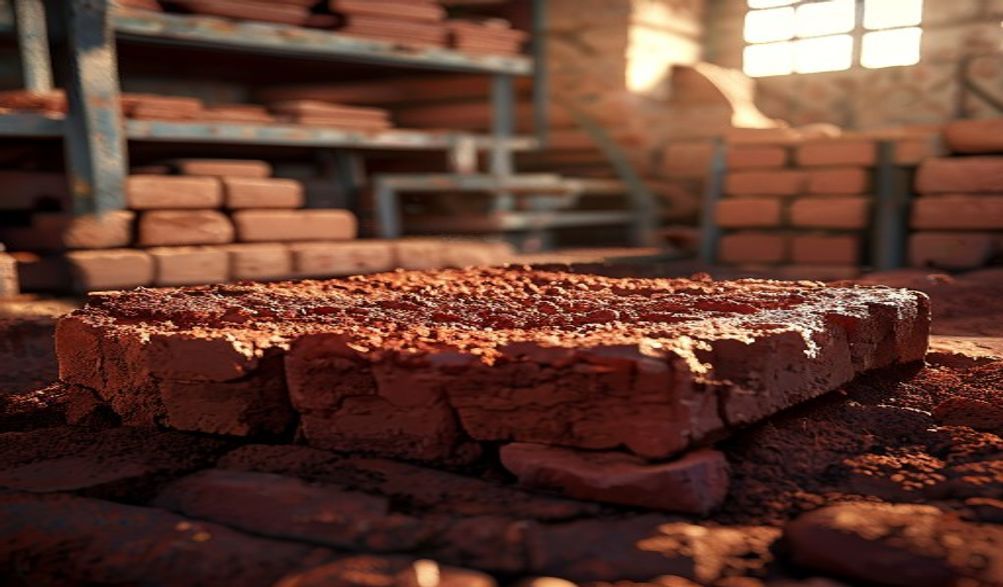
Cách Chọn Máy Làm Gạch Đất: Hướng Dẫn Mua Hàng Cho Nhà Xây Dựng và Doanh Nhân
Giới thiệu
Bối cảnh xây dựng toàn cầu đang thay đổi. Với sự chú trọng ngày càng lớn vào tính bền vững, khả năng chi trả và độ bền, các nhà xây dựng và doanh nhân đang tái khám phá một trong những vật liệu xây dựng lâu đời nhất của nhân loại: đất. Gạch đất nén hiện đại mang đến một giải pháp hấp dẫn—năng lượng tích hợp thấp, khối nhiệt tuyệt vời và tiết kiệm chi phí đáng kể. Tuy nhiên, cầu nối giữa đất thô và viên gạch chắc chắn, đáng tin cậy chính là chiếc máy tạo ra nó.
Lựa chọn sai thiết bị có thể làm đổ vỡ dự án của bạn, dẫn đến lãng phí vốn, chất lượng gạch không đồng đều và những chậm trễ khó chịu. Với hơn một thập kỷ kinh nghiệm trong lĩnh vực máy móc xây dựng bền vững và tư vấn cho các dự án từ quy mô hộ gia đình nhỏ đến phát triển thương mại, tôi đã chứng kiến cả những sai lầm lẫn thành công. Hướng dẫn này đúc kết chuyên môn thực tiễn đó thành một khuôn khổ rõ ràng, từng bước một.
Mục tiêu của chúng tôi là trang bị cho bạn kiến thức để tự tin thâm nhập thị trường. Chúng ta sẽ vượt ra ngoài những tài liệu quảng cáo để đi sâu vào các yếu tố kỹ thuật và thực tiễn cốt lõi quyết định thành công trong thực tế. Đến cuối hướng dẫn này, bạn sẽ có một danh sách kiểm tra chi tiết chocách chọn máy làm gạch đấtphù hợp hoàn hảo với đất đai, dự án và tham vọng của bạn.
Tìm Hiểu Về Sản Xuất Gạch Đất: Các Loại và Quy Trình
Trước khi so sánh các máy móc, điều quan trọng là phải hiểu chúng làm gì và các công nghệ khác nhau có sẵn.
Máy làm gạch đất là gì?
Về cốt lõi, máy làm gạch đất là một thiết bị nén hỗn hợp đất ẩm và một tỷ lệ nhỏ chất ổn định (như xi măng hoặc vôi) thành một khối đặc chắc. Quy trình này không sử dụng phương pháp nung, giúp tiết kiệm năng lượng. Chức năng chính của máy là tạo ra áp lực lớn và đồng đều, giúp sắp xếp lại các hạt đất, giảm lỗ rỗng và tạo liên kết cơ học bền vững, đặc biệt khi có mặt chất ổn định.
Các Loại Máy Chính: Thủ Công, Bán Tự Động và Tự Động Hoàn Toàn
Lựa chọn của bạn ở đây sẽ quyết định cơ bản đến quy mô hoạt động, nhu cầu nhân lực và ngân sách của bạn.
-
Máy Móc Thủ Công:
- Chúng hoạt động như thế nào:Được vận hành hoàn toàn bằng sức người, thường sử dụng một đòn bẩy hoặc một con đội thủy lực.
- Ưu điểm:Chi phí ban đầu thấp nhất, không cần điện, bảo trì đơn giản, tính di động cao.
- Nhược điểm:Sản lượng rất thấp (50-200 viên gạch mỗi ngày), đòi hỏi thể lực cao, chất lượng có thể thay đổi do mệt mỏi của người vận hành.
- Tốt nhất cho:Các dự án DIY, canh tác quy mô nhỏ, sáng kiến do cộng đồng dẫn dắt với nguồn lao động tình nguyện dồi dào, và thử nghiệm nguyên mẫu.
-
Máy Bán Tự Động:
- Chúng hoạt động như thế nào:Những máy móc chạy bằng điện hoặc động cơ diesel này tự động hóa chu trình nén (thường thông qua hệ thống thủy lực) nhưng vẫn cần người vận hành để cấp liệu hỗn hợp và lấy gạch thành phẩm ra.
- Ưu điểm:Cân bằng tốt giữa chi phí và sản lượng (300-800 viên gạch mỗi ngày), chất lượng gạch đồng đều nhờ áp suất ổn định, ít tốn sức lao động.
- Nhược điểm:Chi phí đầu tư ban đầu cao hơn so với phương pháp thủ công, cần có nguồn điện, yêu cầu đào tạo vận hành cơ bản.
- Tốt nhất cho:Các doanh nghiệp vừa và nhỏ, dự án nhà ở và doanh nghiệp xã hội đang tìm kiếm mô hình sản xuất bền vững.
-
Máy Móc Tự Động Hoàn Toàn:
- Chúng hoạt động như thế nào:Đây là các dây chuyền sản xuất hoàn chỉnh với hệ thống cấp liệu tự động, ép và đẩy gạch ra, thường đi kèm với hệ thống băng tải.
- Ưu điểm:Sản lượng cao (trên 1.000 viên gạch mỗi ngày), độ đồng nhất tối đa, lao động trực tiếp tối thiểu trên mỗi viên gạch.
- Nhược điểm:Đầu tư vốn lớn, yêu cầu nguồn điện ba pha ổn định, thiết lập và bảo trì phức tạp, cần nhiều không gian hơn.
- Tốt nhất cho: Large-scale commercial brick production yards supplying to major construction projects.
The Role of Soil Stabilization
Not all soil is immediately ready for brick-making. “Stabilization” is the key to transforming raw earth into a durable, weather-resistant building block.
- Why Stabilize? Stabilizers (typically 5-10% cement or 5-15% lime) chemically bind with the soil particles. This dramatically increases compressive strength, reduces erosion from rain, and minimizes shrinkage cracks.
- Impact on Machine Choice: The required stabilization level depends on your soil’s composition. A clay-heavy soil needs more stabilization and a machine capable of higher pressure to achieve density. The machine must be robust enough to handle the slightly more abrasive stabilized mix.
Những Yếu Tố Cốt Lõi Cần Xem Xét Trước Khi Mua Hàng
This is the foundational step where honest assessment prevents costly mistakes.
Assessing Your Project Requirements
-
Brick Output & Production Goals:
- Calculate your daily or weekly brick requirement based on your construction timeline. Be realistic.
- Crucial Match: A machine’s rated capacity (bricks/hour) must meet this need with room for efficiency loss. Buying an oversized machine wastes money; an undersized one delays your project.
-
Thông số kỹ thuật gạch:
- Determine the standard brick size in your region (e.g., 230mm x 110mm x 75mm) or if you need interlocking shapes for mortar-less construction.
- The machine’s mold options dictate this. Also, the required cường độ nén (e.g., for a single-story vs. a three-story building) is directly determined by the machine’s pressure capacity.
Analyzing Your Soil Composition
This is the most critical, and most often overlooked, step.
- Soil Testing is Non-Negotiable. A simple, inexpensive test will reveal the percentages of clay, silt, and sand.
- Ideal Mix: A “sandy-clay loam” often provides a good balance. Too much clay leads to excessive shrinkage; too much sand reduces cohesion.
- Informing Your Purchase: Your soil report tells you:
- The type and percentage of stabilizer needed.
- The minimum pressure required from your machine to properly compact your specific soil mix.
Evaluating Your Operational Context
- Nguồn Cung Cấp Điện Do you have reliable grid electricity? If not, factor in the cost of a generator capable of running a semi- or fully-automatic machine.
- Labor Skill & Availability: Who will operate and maintain it? Manual machines need muscle; automated ones need someone comfortable with basic mechanics and controls.
- Space and Setup: You need space for:
- The machine itself.
- Raw material storage (soil, stabilizer).
- A covered area for curing bricks (a critical 28-day process for cement-stabilized blocks).
Technical Specifications and Features Deep Dive
Now, let’s decode the technical details that separate a quality machine from a problematic one.
Pressure Capacity (The Key to Strength)
Pressure, measured in PSI (pounds per square inch) or MPa (Megapascals), is the engine of brick quality.
- The Direct Correlation: Higher pressure = denser brick = higher compressive strength and better water resistance.
- General Guidelines:
- Non-Load Bearing (e.g., infill walls): 500 – 1,000 PSI (3.5 – 7 MPa) may suffice.
- Load-Bearing Walls: Look for machines capable of 1,500 PSI (10 MPa) and above. For multi-story buildings, 2,000+ PSI (14+ MPa) is often recommended.
- Mẹo Chuyên Nghiệp: Ensure the stated pressure is the applied pressure during compaction, not just the hydraulic system pressure.
Machine Build Quality and Durability
This determines your machine’s lifespan and uptime.
- Kết cấu khung Look for thick, reinforced steel sections, not light-gauge metal. Welds should be clean and robust.
- Hệ thống thủy lực: The heart of the machine. Quality seals, valves, and a reliable pump are essential. Ask about the brand of key components.
- Bảo vệ chống ăn mòn: Powder coating or paint should be thick and even, especially if operating in a humid or coastal environment.
Mold Versatility and Customization
The mold defines your product. Standard rectangular molds are common, but consider:
- Interlocking Molds: Allow for faster, mortar-less construction with improved wall strength.
- Custom Sizes: Can you order different molds later from the supplier? This adds long-term business flexibility.
- Vật liệu: Molds should be made from hardened steel to withstand abrasion.
After-Sales Support: A Non-Negotiable Factor
A machine is a long-term investment. Support is your safety net.
- Bảo hành: A minimum 1-year warranty on parts and workmanship is standard. Longer is better.
- Sẵn có Phụ tùng Thay thế: Are common wear parts (seals, mold liners) readily available? What is the lead time?
- Hỗ trợ Kỹ thuật: Does the supplier offer installation guidance, troubleshooting, and operator training (even if remote)?
Financial Planning and ROI Analysis
Look beyond the sticker price to the true cost and potential earnings.
Hiểu về Tổng Chi Phí Sở Hữu
| Cost Category | Details & Considerations |
| :— | :— |
| Machine Purchase | Base price of the machine. |
| Shipping & Import | Can be substantial for international orders. Clarify Incoterms (e.g., FOB, CIF). |
| Installation | May require a technician’s visit or local tradesperson. |
| Raw Materials | Cost of soil (often free), stabilizer (cement/lime), and water. |
| Labor | Wages for operators. |
| Energy | Electricity or fuel for generators. |
| Maintenance | Annual budget for lubricants, spare parts, etc. |
Calculating Potential Return on Investment (ROI)
A simplified framework for entrepreneurs:
- Cost Per Brick: Add up all monthly operational costs (materials, labor, energy, maintenance amortization). Divide by your monthly production volume.
- Example: ($800 monthly cost) / (10,000 bricks) = $0.08 per brick.
- Market Price Per Brick: Research the local price for comparable fired clay or concrete bricks.
- Example: $0.25 per brick.
- Gross Profit Per Brick: Market Price – Your Cost.
- Example: $0.25 – $0.08 = $0.17 profit per brick.
- Payback Period: Divide the total initial investment (machine + shipping + setup) by your monthly gross profit.
- Example: $10,000 investment / ($0.17 x 10,000 bricks/month = $1,700) = ~5.9 months.
Budgeting for Quality and Longevity
Never buy on price alone. A cheaper, lightly-built machine will have higher downtime, more frequent breakdowns, and a shorter life, making it more expensive in the long run. Invest in robust engineering.
The Supplier Selection Checklist
Your relationship with the supplier is as important as the machine itself.
Researching and Vetting Manufacturers
- Company History: How long have they been manufacturing these specific machines?
- Client Portfolio & Testimonials: Ask for case studies or contact details of past buyers, especially in a similar climate.
- Chứng chỉ: Do they have ISO or other quality management certifications? It indicates process discipline.
The Importance of Requesting a Demo or Sample
- The Gold Standard: If possible, send your stabilized soil mix to the manufacturer for a test run. Evaluate the resulting brick’s strength, finish, and dimensional consistency.
- Questions for a Demo:
- “Can you walk me through the daily maintenance routine?”
- “What are the most common wear parts and their cost?”
- “How do you handle technical support requests?”
Reviewing Contracts and Warranties
Read the fine print. The warranty should clearly state:
* Coverage period for different components.
* What is excluded (e.g., damage from improper operation, wear parts).
* Who pays for shipping defective parts.
* Response time for support queries.
Các Câu Hỏi Thường Gặp (FAQ)
Q1: What is the best soil mix for making compressed earth bricks?
A: While a well-graded “sandy-clay loam” (approx. 70% sand/gravel, 30% clay/silt) is often cited as a good starting point, there is no universal “best” mix. The only reliable method is a professional soil test. This test will provide a precise recipe for stabilization and confirm if your local soil is suitable.
Q2: Can I make bricks without adding cement or other stabilizers?
A: For traditional Adobe bricks (sun-dried), yes. However, for modern Gạch Đất Nén Ổn Định (CSEBs) designed for structural, durable construction, a stabilizer is essential. Cement or lime provides the chemical strength and weather resistance needed for load-bearing walls, especially in areas with rainfall. Machines for CSEBs are built to handle the higher pressures required.
Q3: How much does a good soil brick making machine cost?
A: Prices vary dramatically based on type and capacity:
* Máy Ép Thủ Công: $1,000 – $4,000 USD.
* Máy Bán Tự Động: $5,000 – $20,000 USD.
* Dây chuyền tự động hoàn toàn: $25,000 – $100,000+ USD.
Remember to budget for shipping, installation, and initial spare parts.
Q4: What is the typical maintenance required?
A: Daily and weekly routines are key:
* Hàng ngày: Clean the mold and machine frame of residual soil. Check hydraulic fluid levels and for any leaks.
* Hàng tuần: Lubricate all moving parts (pivots, bearings) as per the manual. Inspect the mold for wear.
* Periodically: Change hydraulic fluid and filters as recommended. Check and tighten bolts on the frame.
Q5: Where can I get my soil tested?
A: Several accessible options exist:
* Local agricultural extension offices or co-ops.
* University departments of Civil Engineering, Geology, or Agriculture.
* Private construction materials testing laboratories.
* Some reputable machine suppliers offer testing services or can recommend labs.
Conclusion
Choosing the right soil brick making machine is a systematic process, not a gamble. It begins with a clear understanding of your project’s scale and a non-negotiable soil test. From there, prioritize core technical specifications—especially pressure capacity and build quality—over flashy features. Develop a holistic financial plan that accounts for the total cost of ownership and a realistic ROI. Finally, partner with a reputable supplier whose after-sales support provides a foundation for your long-term success.
View this purchase not merely as buying a tool, but as investing in the foundational technology for your sustainable building venture. The right machine becomes a reliable partner for years, turning local earth into lasting value.
Ready to move forward? If you have a soil report or specific project parameters, feel free to reach out for a more tailored discussion. Share your goals or questions in the comments below—let’s build a conversation as solid as the bricks we aim to create. Mastering the process of selecting the perfect soil brick machine is your first step toward building a sustainable future.
<