
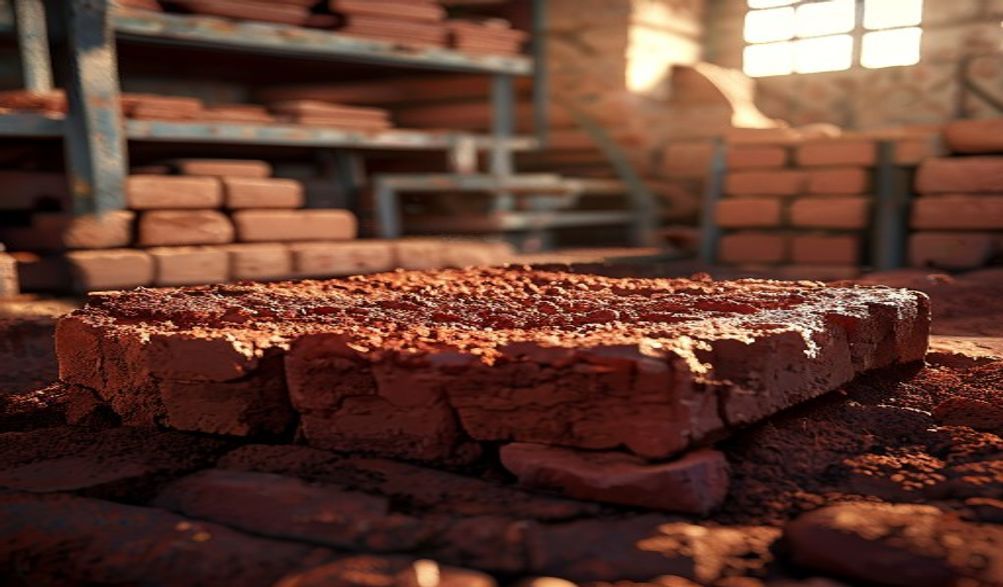
Cara Memilih Mesin Pembuat Bata Tanah: Panduan Pembeli untuk Pembina dan Usahawan
Pengenalan
Landskap pembinaan global sedang berubah. Dengan penekanan yang semakin meningkat terhadap kelestarian, kemampuan milik, dan ketahanan, pembina dan usahawan menemui semula salah satu bahan binaan tertua manusia: tanah. Bata tanah termampat moden menawarkan penyelesaian yang menarik—tenaga terwujud rendah, jisim terma yang sangat baik, dan penjimatan kos yang ketara. Walau bagaimanapun, jambatan antara tanah mentah dan bata yang kukuh serta boleh dipercayai adalah mesin yang membuatnya.
Memilih peralatan yang salah boleh menggagalkan projek anda, membawa kepada pembaziran modal, kualiti bata yang tidak konsisten, dan kelewatan yang mengecewakan. Dengan pengalaman lebih sedekad dalam jentera pembinaan lestari dan menasihati projek dari homestead kecil hingga pembangunan komersial, saya telah menyaksikan perangkap dan kejayaan. Panduan ini merumuskan kepakaran praktikal tersebut ke dalam rangka kerja langkah demi langkah yang jelas.
Matlamat kami adalah untuk membekalkan anda dengan pengetahuan untuk menguasai pasaran dengan yakin. Kami akan melangkaui risalah jualan dan menyentuh faktor teknikal dan praktikal teras yang menentukan kejayaan sebenar. Pada akhir panduan ini, anda akan memiliki senarai semak yang tepat untukcara memilih mesin pembuatan bata tanahyang selaras sempurna dengan tanah anda, projek anda, dan cita-cita anda.
Memahami Pembuatan Bata Tanah: Jenis dan Proses
Sebelum membandingkan mesin, adalah penting untuk memahami apa yang mereka lakukan dan teknologi yang berbeza yang tersedia.
Apakah itu Mesin Pembuatan Bata Tanah?
Pada terasnya, mesin pembuatan bata tanah adalah peranti yang memampatkan campuran tanah lembap dan peratusan kecil penstabil (seperti simen atau kapur) menjadi blok padat yang kukuh. Proses ini tidak menggunakan pembakaran, menjadikannya cekap tenaga. Fungsi utama mesin adalah untuk mengenakan tekanan yang besar dan konsisten, yang menyusun semula zarah tanah, mengurangkan lompang, dan mencipta ikatan mekanikal yang kuat, terutamanya apabila penstabil hadir.
Jenis Utama Mesin: Manual berbanding Semi-Automatik berbanding Sepenuhnya Automatik
Pilihan anda di sini pada dasarnya membentuk skala operasi, keperluan tenaga kerja, dan bajet anda.
-
Mesin Manual:
- Cara mereka berfungsi:Dikendalikan sepenuhnya oleh tenaga manusia, biasanya menggunakan tuas atau jek hidraulik.
- Kelebihan:Kos pendahuluan terendah, tidak memerlukan elektrik, penyelenggaraan mudah, sangat mudah alih.
- Keburukan:Pengeluaran yang sangat rendah (50-200 batu bata sehari), memerlukan tenaga fizikal yang tinggi, kualiti boleh berbeza-beza dengan keletihan pengendali.
- Terbaik untuk:Projek DIY, perladangan berskala kecil, inisiatif dipimpin komuniti dengan tenaga kerja sukarelawan yang banyak, dan menguji prototaip.
-
Mesin Semi-Automatik:
- Cara mereka berfungsi:Mesin-mesin yang dikuasakan elektrik atau diesel ini mengautomasikan kitaran mampatan (biasanya melalui sistem hidraulik) tetapi memerlukan pengendali untuk memasukkan campuran dan mengeluarkan bata siap.
- Kelebihan:Keseimbangan baik antara kos dan pengeluaran (300-800 bata sehari), kualiti bata yang konsisten kerana tekanan seragam, kurang intensif fizikal.
- Keburukan:Pelaburan awal lebih tinggi berbanding manual, memerlukan sumber kuasa, memerlukan latihan operasi asas.
- Terbaik untuk:Perniagaan kecil dan sederhana, projek perumahan, dan perusahaan sosial yang mencari model pengeluaran mampan.
-
Mesin Sepenuhnya Automatik:
- Cara mereka berfungsi:Ini adalah barisan pengeluaran lengkap dengan pemakanan automatik, pemampatan, dan pengeluaran bata, selalunya dilengkapi sistem penghantar.
- Kelebihan:Output tinggi (1,000+ batu bata sehari), konsistensi maksimum, tenaga kerja langsung minimum per batu bata.
- Keburukan:Pelaburan modal yang besar, memerlukan kuasa tiga fasa yang boleh dipercayai, penyediaan dan penyelenggaraan yang kompleks, memerlukan lebih banyak ruang.
- Terbaik untuk:Taman-taman pengeluaran bata komersial berskala besar yang membekalkan kepada projek-projek pembinaan utama.
Peranan Penstabilan Tanah
Tidak semua tanah sedia untuk membuat bata. "Penstabilan" adalah kunci untuk mengubah tanah mentah menjadi blok binaan yang tahan lama dan tahan cuaca.
- Mengapa Perlu Stabil?Penstabil (biasanya 5-10% simen atau 5-15% kapur) mengikat secara kimia dengan zarah-zarah tanah. Ini meningkatkan kekuatan mampatan secara mendadak, mengurangkan hakisan daripada hujan, dan meminimumkan retakan pengecutan.
- Kesan terhadap Pilihan Mesin:Tahap penstabilan yang diperlukan bergantung pada komposisi tanah anda. Tanah yang tinggi kandungan liat memerlukan lebih banyak penstabilan dan mesin yang mampu menghasilkan tekanan lebih tinggi untuk mencapai ketumpatan. Mesin tersebut mesti cukup teguh untuk mengendalikan campuran stabil yang sedikit lebih kasar.
Faktor Utama yang Perlu Dipertimbangkan Sebelum Membeli
Ini adalah langkah asas di mana penilaian jujur mengelakkan kesilapan yang mahal.
Menilai Keperluan Projek Anda
-
Output & Matlamat Pengeluaran Bata:
- Calculate your daily or weekly brick requirement based on your construction timeline. Be realistic.
- Crucial Match: A machine’s rated capacity (bricks/hour) must meet this need with room for efficiency loss. Buying an oversized machine wastes money; an undersized one delays your project.
-
Spesifikasi Bata:
- Determine the standard brick size in your region (e.g., 230mm x 110mm x 75mm) or if you need interlocking shapes for mortar-less construction.
- The machine’s mold options dictate this. Also, the required kekuatan mampatan (e.g., for a single-story vs. a three-story building) is directly determined by the machine’s pressure capacity.
Analyzing Your Soil Composition
This is the most critical, and most often overlooked, step.
- Soil Testing is Non-Negotiable. A simple, inexpensive test will reveal the percentages of clay, silt, and sand.
- Ideal Mix: A “sandy-clay loam” often provides a good balance. Too much clay leads to excessive shrinkage; too much sand reduces cohesion.
- Informing Your Purchase: Your soil report tells you:
- The type and percentage of stabilizer needed.
- The minimum pressure required from your machine to properly compact your specific soil mix.
Evaluating Your Operational Context
- Ketersediaan Sumber Kuasa: Do you have reliable grid electricity? If not, factor in the cost of a generator capable of running a semi- or fully-automatic machine.
- Labor Skill & Availability: Who will operate and maintain it? Manual machines need muscle; automated ones need someone comfortable with basic mechanics and controls.
- Space and Setup: You need space for:
- The machine itself.
- Raw material storage (soil, stabilizer).
- A covered area for curing bricks (a critical 28-day process for cement-stabilized blocks).
Technical Specifications and Features Deep Dive
Now, let’s decode the technical details that separate a quality machine from a problematic one.
Pressure Capacity (The Key to Strength)
Pressure, measured in PSI (pounds per square inch) or MPa (Megapascals), is the engine of brick quality.
- The Direct Correlation: Higher pressure = denser brick = higher compressive strength and better water resistance.
- General Guidelines:
- Non-Load Bearing (e.g., infill walls): 500 – 1,000 PSI (3.5 – 7 MPa) may suffice.
- Dinding Beban: Look for machines capable of 1,500 PSI (10 MPa) and above. For multi-story buildings, 2,000+ PSI (14+ MPa) is often recommended.
- Petua Profesional: Ensure the stated pressure is the applied pressure during compaction, not just the hydraulic system pressure.
Machine Build Quality and Durability
This determines your machine’s lifespan and uptime.
- Pembinaan Bingkai: Look for thick, reinforced steel sections, not light-gauge metal. Welds should be clean and robust.
- Sistem Hidraulik: The heart of the machine. Quality seals, valves, and a reliable pump are essential. Ask about the brand of key components.
- Perlindungan Kakisan: Powder coating or paint should be thick and even, especially if operating in a humid or coastal environment.
Mold Versatility and Customization
The mold defines your product. Standard rectangular molds are common, but consider:
- Interlocking Molds: Allow for faster, mortar-less construction with improved wall strength.
- Custom Sizes: Can you order different molds later from the supplier? This adds long-term business flexibility.
- Bahan: Molds should be made from hardened steel to withstand abrasion.
After-Sales Support: A Non-Negotiable Factor
A machine is a long-term investment. Support is your safety net.
- Jaminan: A minimum 1-year warranty on parts and workmanship is standard. Longer is better.
- Ketersediaan Alat Ganti: Are common wear parts (seals, mold liners) readily available? What is the lead time?
- Sokongan Teknikal: Does the supplier offer installation guidance, troubleshooting, and operator training (even if remote)?
Financial Planning and ROI Analysis
Look beyond the sticker price to the true cost and potential earnings.
Understanding the Total Cost of Ownership
| Cost Category | Details & Considerations |
| :— | :— |
| Machine Purchase | Base price of the machine. |
| Shipping & Import | Can be substantial for international orders. Clarify Incoterms (e.g., FOB, CIF). |
| Installation | May require a technician’s visit or local tradesperson. |
| Raw Materials | Cost of soil (often free), stabilizer (cement/lime), and water. |
| Labor | Wages for operators. |
| Energy | Electricity or fuel for generators. |
| Maintenance | Annual budget for lubricants, spare parts, etc. |
Calculating Potential Return on Investment (ROI)
A simplified framework for entrepreneurs:
- Cost Per Brick: Add up all monthly operational costs (materials, labor, energy, maintenance amortization). Divide by your monthly production volume.
- Example: ($800 monthly cost) / (10,000 bricks) = $0.08 per brick.
- Market Price Per Brick: Research the local price for comparable fired clay or concrete bricks.
- Example: $0.25 per brick.
- Gross Profit Per Brick: Market Price – Your Cost.
- Example: $0.25 – $0.08 = $0.17 profit per brick.
- Tempoh Bayar Balik: Divide the total initial investment (machine + shipping + setup) by your monthly gross profit.
- Example: $10,000 investment / ($0.17 x 10,000 bricks/month = $1,700) = ~5.9 months.
Budgeting for Quality and Longevity
Never buy on price alone. A cheaper, lightly-built machine will have higher downtime, more frequent breakdowns, and a shorter life, making it more expensive in the long run. Invest in robust engineering.
The Supplier Selection Checklist
Your relationship with the supplier is as important as the machine itself.
Researching and Vetting Manufacturers
- Sejarah Syarikat How long have they been manufacturing these specific machines?
- Client Portfolio & Testimonials: Ask for case studies or contact details of past buyers, especially in a similar climate.
- Pensijilan: Do they have ISO or other quality management certifications? It indicates process discipline.
The Importance of Requesting a Demo or Sample
- The Gold Standard: If possible, send your stabilized soil mix to the manufacturer for a test run. Evaluate the resulting brick’s strength, finish, and dimensional consistency.
- Questions for a Demo:
- “Can you walk me through the daily maintenance routine?”
- “What are the most common wear parts and their cost?”
- “How do you handle technical support requests?”
Reviewing Contracts and Warranties
Read the fine print. The warranty should clearly state:
* Coverage period for different components.
* What is excluded (e.g., damage from improper operation, wear parts).
* Who pays for shipping defective parts.
* Response time for support queries.
Soalan Lazim (FAQ)
Q1: What is the best soil mix for making compressed earth bricks?
A: While a well-graded “sandy-clay loam” (approx. 70% sand/gravel, 30% clay/silt) is often cited as a good starting point, there is no universal “best” mix. The only reliable method is a professional soil test. This test will provide a precise recipe for stabilization and confirm if your local soil is suitable.
Q2: Can I make bricks without adding cement or other stabilizers?
A: For traditional Adobe bricks (sun-dried), yes. However, for modern Blok Bumi Terstabil Termampat (CSEB) designed for structural, durable construction, a stabilizer is essential. Cement or lime provides the chemical strength and weather resistance needed for load-bearing walls, especially in areas with rainfall. Machines for CSEBs are built to handle the higher pressures required.
Q3: How much does a good soil brick making machine cost?
A: Prices vary dramatically based on type and capacity:
* Mesin Tekan Manual: $1,000 – $4,000 USD.
* Mesin Semi-Automatik: $5,000 – $20,000 USD.
* Barisan Sepenuhnya Automatik: $25,000 – $100,000+ USD.
Remember to budget for shipping, installation, and initial spare parts.
Q4: What is the typical maintenance required?
A: Daily and weekly routines are key:
* Daily: Clean the mold and machine frame of residual soil. Check hydraulic fluid levels and for any leaks.
* Weekly: Lubricate all moving parts (pivots, bearings) as per the manual. Inspect the mold for wear.
* Periodically: Change hydraulic fluid and filters as recommended. Check and tighten bolts on the frame.
Q5: Where can I get my soil tested?
A: Several accessible options exist:
* Local agricultural extension offices or co-ops.
* University departments of Civil Engineering, Geology, or Agriculture.
* Private construction materials testing laboratories.
* Some reputable machine suppliers offer testing services or can recommend labs.
Kesimpulan
Choosing the right soil brick making machine is a systematic process, not a gamble. It begins with a clear understanding of your project’s scale and a non-negotiable soil test. From there, prioritize core technical specifications—especially pressure capacity and build quality—over flashy features. Develop a holistic financial plan that accounts for the total cost of ownership and a realistic ROI. Finally, partner with a reputable supplier whose after-sales support provides a foundation for your long-term success.
View this purchase not merely as buying a tool, but as investing in the foundational technology for your sustainable building venture. The right machine becomes a reliable partner for years, turning local earth into lasting value.
Ready to move forward? If you have a soil report or specific project parameters, feel free to reach out for a more tailored discussion. Share your goals or questions in the comments below—let’s build a conversation as solid as the bricks we aim to create. Mastering the process of selecting the perfect soil brick machine is your first step toward building a sustainable future.
<