
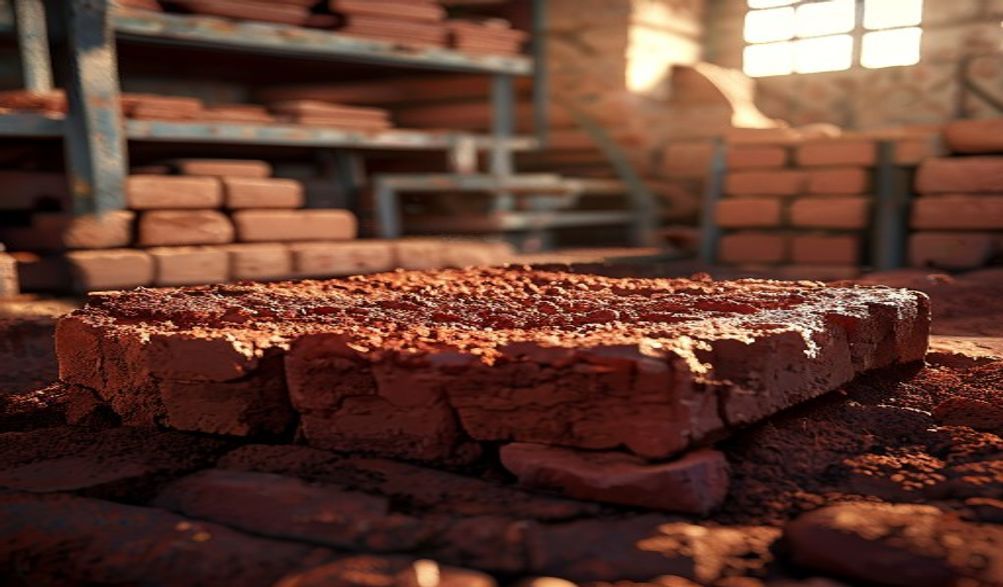
Чӣ гуна дастгоҳи сохтани хишти хокро интихоб кардан: Дастури харидор барои созанда ва соҳибкорон
Муқаддима
Манзараи глобалии сохтмон дар ҳоли тағйир аст. Бо таъкиди зиёд ба бардавомӣ, дастрасӣ ва устуворӣ, сохтмончиён ва соҳибкорон яке аз қадимтарин материалҳои сохтмонии инсониятро аз нав кашф мекунанд: замин. Хишти фишурдаи заминии муосир ҳалли қонеъкунандаеро пешниҳод мекунад - энергияи паст, массаи гармии аъло ва сарфаи назарраси хароҷот. Аммо, пули байни замини хом ва хишти устувор ва боэътимод мошинест, ки онро месозад.
Интихоби нодурусти таҷҳизот метавонад лоиҳаи шуморо ба таъхир андозад, ки боиси талафи сармоя, сифати нобаробарии хишт ва таъхироти нохушгард мегардад. Бо зиёда аз даҳ сол таҷриба дар мошинасозии устувори сохтмон ва маслиҳат додан дар лоиҳаҳо аз хоҷагиҳои хурд то рушди тиҷоратӣ, ман хатоҳо ва муваффақиятҳоро дидаам. Ин дастур он таҷрибаи амалиро ба як чорчӯбаи равшан ва қадам-ба-қам таҳлил мекунад.
Мақсади мо ин аст, ки шуморо бо донише тавонгар созем, то бо эътимод ба бозор роҳ ёбед. Мо аз варақаҳои фурӯш берун рафта, ба омилҳои асосии техникӣ ва амалӣ мепардозем, ки муваффақияти воқеиро муайян мекунанд. Дар охири ин дастур, шумо феҳристи дақиқе барои... хоҳед дошт.чӣ гуна дастгоҳи сохтани хишти хокро интихоб карданки ба замин, лоиҳа ва орзуҳои шумо ба таври комил мувофиқат мекунад.
Фаҳмидани Сохтани Хишти Хок: Намудҳо ва Равандҳо
Пеш аз муқоисаи мошинҳо, муҳим аст, ки дарк кард, ки онҳо чӣ мекунанд ва технологияҳои гуногун мавҷуданд.
Машинаи сохтани хишти хокӣ чист?
Дар асоси худ, мошини сохтани хишти хок, дастгоҳест, ки омехтаи хоки намнок ва фоизи ками стабилизатор (монанди семент ё оҳк)-ро ба блоки зич ва сахт фишор медиҳад. Ин раванд оташдиҳӣ истифода намекунад, ки онро сарфаи энергия мегардонад. Вазифаи асосии мошин татбиқи фишори бузург ва устувор аст, ки зарраҳои хокро тағйир медиҳад, холӣҳоро коҳиш медиҳад ва пайванди механикии қавӣ эҷод мекунад, махсусан вақте ки стабилизатор мавҷуд аст.
Навъҳои асосии мошинҳо: Дастӣ, ним-автоматӣ ва пурра автоматӣ
Интихоби шумо дар ин ҷо асосан андозаи амалиёт, эҳтиёҷоти меҳнат ва буҷаи шуморо ташаккул медиҳад.
-
Дастгоҳҳои дастӣ:
- Чӣ тавр онҳо кор мекунанд:Тамомияти он бо қувваи одамӣ идора карда мешавад, одатан бо истифода аз дӯст ё домкрати гидравликӣ.
- Муҳоҷизот:Нархи паст дар аввал, ба барқ эҳтиёҷ надорад, нигоҳдории сода, ба осонӣ ҳамл карда мешавад.
- МанфӣҳоНатиҷаи хеле кам (50-200 хишт дар як рӯз), аз ҷиҳати ҷисмонӣ тақозокунанда, сифат метавонад бо хастагии оператор фарқ кунад.
- Беҳтарин барои:Лоиҳаҳои худсоз, хоҷагиҳои хурд, инициативаҳои ҷамъиятӣ бо меҳнати ихтиёрии фаровон ва озмоиши намунаҳои аввалӣ.
-
Машинаҳои ним-автоматӣ:
- Чӣ тавр онҳо кор мекунанд:Ин дастгоҳҳои барқӣ ё дизелӣ сикли фишорро (аксар вақт тавассути системаи гидравликӣ) автоматӣ мекунанд, аммо барои додани омехта ва бардоштани хишти тайёршуда ба оператор ниёз доранд.
- Муҳоҷизот:Мувозинаи хуб байни хароҷот ва истеҳсолот (300-800 хишт дар як рӯз), сифати устувори хиштҳо бо сабаби фишори якхела, камтаранҷумӣ аз ҷиҳати ҷисмонӣ.
- МанфӣҳоСармояи ибтидоӣ аз дастӣ баландтар, ба манбаи барқ ниёз дорад, таълими асосии амалиро талаб мекунад.
- Беҳтарин барои:Корхонаҳои хурд ва миёна, лоиҳаҳои истиқоматӣ ва корхонаҳои иҷтимоӣ, ки ба модели истеҳсоли устувор меҷӯянд.
-
Машинаҳои пурра автоматӣ:
- Чӣ тавр онҳо кор мекунанд:Инҳо хатҳои истеҳсолии комил мебошанд, ки бо системаҳои худкор барои таъмин, фишор ва баровардани хиштҳо, одатан бо системаҳои конвейерӣ таъмин карда мешаванд.
- Муҳоҷизот:Истеҳсоли баланд (беш аз 1,000 хишт дар як рӯз), ҳадди аксари созгорӣ, ҳадди ақали меҳнати бевосита барои ҳар хишт.
- МанфӣҳоСармоягузории калон, ба барқи сефазаи боэътимод ниёз дорад, ташкили мураккаб ва нигоҳдорӣ, ба фазои бештар ниёз дорад.
- Беҳтарин барои:Минтақаҳои калонҳаҷми истеҳсоли хишти тиҷорӣ, ки ба лоиҳаҳои калони сохтмонӣ таъмин мекунанд.
Нақши устувории хок
Ҳамаи хок барои хиштсозӣ фавран мувофиқ нест. "Устуворсозӣ" калиди табдил додани хоки хом ба блоки сохтмонии устувор ва тобовар ба обу ҳаво мебошад.
- Чаро мӯътадил гардонем?Стабилизаторҳо (одатан 5-10% семент ё 5-15% оҳак) бо зарраҳои хок пайвасти кимиёвӣ ба вуҷуд меоранд. Ин қувваи фишориро ба таври назаррас зиёд мекунад, фарсоиш аз боронро кам мекунад ва тарқишҳои фишурдашавиро ба ҳадди ақал мерасонад.
- Таъсир ба интихоби мошин:Сатҳи зарурии устуворсозӣ ба таркиби хоки шумо вобаста аст. Хоки гилӣ ба устуворсозии бештар ва мошине ниёз дорад, ки фишори баландтареро барои ба даст овардани зичӣ таъмин кунад. Мошин бояд ба қадри кофӣ устувор бошад, то омехтаи каме абразивии устуворшударо идора кунад.
Омилҳои асосӣ, ки пеш аз харидан бояд ба назар гирифта шаванд
Ин қадами асосӣ аст, ки дар он арзёбии ростқавлона аз хатоҳои пурқимат пешгирӣ мекунад.
Арзёбии талаботи лоиҳаи шумо
-
Истеҳсоли хишт ва ҳадафҳои истеҳсолӣ:
- Ҳисоб кардани талаботи рӯзона ё ҳафтаинаи хиштҳо дар асоси нақшаи сохтмони худ. Воқеӣ бошед.
- Муҳим матч:Қобилияти муқарраршудаи мошин (хишт/соат) бояд ин ниёзро бо фазои барои талафоти самаранокӣ қонеъ кунад. Хариди мошини аз ҳад калон пулро талф мекунад; мошини аз ҳад хурд лоиҳаи шуморо ба таъхир меандозад.
-
Муайянкунии хишт:
- Андозаи стандартии хишти дар минтақаи шумо (масалан, 230мм x 110мм x 75мм) ё шаклҳои пайвастшавандаро барои сохтмони бе-мортар муайян кунед.
- Имконоти қолиби машина инро муайян мекунад. Инчунин, талаб карда мешавадқувваи фишорӣ(масалан, барои бинои якқабатӣ нисбат ба бинои сеқабатӣ) бевосита аз ҷониби қобилияти фишори мошин муайян карда мешавад.
Таҳлили таркиби хоки замин
Ин ҳама аз ҳама муҳим ва бештарин фаромӯшшаванда қадам аст.
- Санҷиши хок ҳаргиз ба таври музокиравӣ нест.Санҷиши содда ва арзон фоизҳои гил, лой ва регро ошкор мекунад.
- Идеалӣ Омехта"Лойи регӣ-гилӣ" аксар вақт тавозуни хубро таъмин мекунад. Гиле, ки аз ҳад зиёд бошад, ба тангшавии бештар меорад; реге, ки аз ҳад зиёд бошад, ваҳдатро коҳиш медиҳад.
- Огоҳ кардани хариди шумо:Ҳисоботи хоки шумо ба шумо мегӯяд:
- Навъ ва фоизи стабилизатори лозимӣ.
- Давомнокии минималии зарурӣ аз мошинаи шумо барои фишурдани мушаххаси омехтаи хоки шумо.
Арзёбии заминаи амалиётии шумо
- Манбаи дастрасии нерӯОё шумо барқи устувори шабакавӣ доред? Агар не, хароҷоти генератореро, ки қодир ба кор кардани мошини нимё пурраавтоматӣ аст, ба назар гиред.
- Малака ва дастрасии қувваи корӣ:Кӣ онро кор фармуда ва нигоҳубин мекунад? Мошинҳои дастӣ қувваи ҷисмонӣ талаб мекунанд; мошинҳои автоматӣ касеро лозиманд, ки бо механика ва идоракунии асосӣ ошно бошад.
- Фазо ва Танзимот:Шумо ба фазо ниёз доред барои:
- Худи мошин.
- Нигоҳдории ашёи хом (хок, устуворкунанда).
- A covered area for curing bricks (a critical 28-day process for cement-stabilized blocks).
Technical Specifications and Features Deep Dive
Now, let’s decode the technical details that separate a quality machine from a problematic one.
Pressure Capacity (The Key to Strength)
Pressure, measured in PSI (pounds per square inch) or MPa (Megapascals), is the engine of brick quality.
- The Direct Correlation: Higher pressure = denser brick = higher compressive strength and better water resistance.
- General Guidelines:
- Non-Load Bearing (e.g., infill walls): 500 – 1,000 PSI (3.5 – 7 MPa) may suffice.
- Девори боркаш: Look for machines capable of 1,500 PSI (10 MPa) and above. For multi-story buildings, 2,000+ PSI (14+ MPa) is often recommended.
- Профессионалӣ маслиҳат: Ensure the stated pressure is the applied pressure during compaction, not just the hydraulic system pressure.
Machine Build Quality and Durability
This determines your machine’s lifespan and uptime.
- Сохтмони чоба Look for thick, reinforced steel sections, not light-gauge metal. Welds should be clean and robust.
- Системаи гидравликӣ: The heart of the machine. Quality seals, valves, and a reliable pump are essential. Ask about the brand of key components.
- Муҳофизат аз зангзани: Powder coating or paint should be thick and even, especially if operating in a humid or coastal environment.
Mold Versatility and Customization
The mold defines your product. Standard rectangular molds are common, but consider:
- Interlocking Molds: Allow for faster, mortar-less construction with improved wall strength.
- Custom Sizes: Can you order different molds later from the supplier? This adds long-term business flexibility.
- Мавод Molds should be made from hardened steel to withstand abrasion.
After-Sales Support: A Non-Negotiable Factor
A machine is a long-term investment. Support is your safety net.
- Warranty: A minimum 1-year warranty on parts and workmanship is standard. Longer is better.
- Дастрасии қисмҳои эҳтиётӣ: Are common wear parts (seals, mold liners) readily available? What is the lead time?
- Дастгирии техникӣ: Does the supplier offer installation guidance, troubleshooting, and operator training (even if remote)?
Financial Planning and ROI Analysis
Look beyond the sticker price to the true cost and potential earnings.
Understanding the Total Cost of Ownership
| Cost Category | Details & Considerations |
| :— | :— |
| Machine Purchase | Base price of the machine. |
| Shipping & Import | Can be substantial for international orders. Clarify Incoterms (e.g., FOB, CIF). |
| Installation | May require a technician’s visit or local tradesperson. |
| Raw Materials | Cost of soil (often free), stabilizer (cement/lime), and water. |
| Labor | Wages for operators. |
| Energy | Electricity or fuel for generators. |
| Maintenance | Annual budget for lubricants, spare parts, etc. |
Calculating Potential Return on Investment (ROI)
A simplified framework for entrepreneurs:
- Cost Per Brick: Add up all monthly operational costs (materials, labor, energy, maintenance amortization). Divide by your monthly production volume.
- Example: ($800 monthly cost) / (10,000 bricks) = $0.08 per brick.
- Market Price Per Brick: Research the local price for comparable fired clay or concrete bricks.
- Example: $0.25 per brick.
- Gross Profit Per Brick: Market Price – Your Cost.
- Example: $0.25 – $0.08 = $0.17 profit per brick.
- Payback Period: Divide the total initial investment (machine + shipping + setup) by your monthly gross profit.
- Example: $10,000 investment / ($0.17 x 10,000 bricks/month = $1,700) = ~5.9 months.
Budgeting for Quality and Longevity
Never buy on price alone. A cheaper, lightly-built machine will have higher downtime, more frequent breakdowns, and a shorter life, making it more expensive in the long run. Invest in robust engineering.
The Supplier Selection Checklist
Your relationship with the supplier is as important as the machine itself.
Researching and Vetting Manufacturers
- Таърихи ширкат: How long have they been manufacturing these specific machines?
- Client Portfolio & Testimonials: Ask for case studies or contact details of past buyers, especially in a similar climate.
- Сертификатҳо: Do they have ISO or other quality management certifications? It indicates process discipline.
The Importance of Requesting a Demo or Sample
- The Gold Standard: If possible, send your stabilized soil mix to the manufacturer for a test run. Evaluate the resulting brick’s strength, finish, and dimensional consistency.
- Questions for a Demo:
- “Can you walk me through the daily maintenance routine?”
- “What are the most common wear parts and their cost?”
- “How do you handle technical support requests?”
Reviewing Contracts and Warranties
Read the fine print. The warranty should clearly state:
* Coverage period for different components.
* What is excluded (e.g., damage from improper operation, wear parts).
* Who pays for shipping defective parts.
* Response time for support queries.
Frequently Asked Questions (FAQ)
Q1: What is the best soil mix for making compressed earth bricks?
A: While a well-graded “sandy-clay loam” (approx. 70% sand/gravel, 30% clay/silt) is often cited as a good starting point, there is no universal “best” mix. The only reliable method is a professional soil test. This test will provide a precise recipe for stabilization and confirm if your local soil is suitable.
Q2: Can I make bricks without adding cement or other stabilizers?
A: For traditional Adobe bricks (sun-dried), yes. However, for modern Compressed Stabilized Earth Blocks (CSEBs) designed for structural, durable construction, a stabilizer is essential. Cement or lime provides the chemical strength and weather resistance needed for load-bearing walls, especially in areas with rainfall. Machines for CSEBs are built to handle the higher pressures required.
Q3: How much does a good soil brick making machine cost?
A: Prices vary dramatically based on type and capacity:
* Прессҳои дастӣ: $1,000 – $4,000 USD.
* Машинаҳои ним-автоматӣ: $5,000 – $20,000 USD.
* Хатҳои пурра автоматӣ: $25,000 – $100,000+ USD.
Remember to budget for shipping, installation, and initial spare parts.
Q4: What is the typical maintenance required?
A: Daily and weekly routines are key:
* Daily: Clean the mold and machine frame of residual soil. Check hydraulic fluid levels and for any leaks.
* Weekly: Lubricate all moving parts (pivots, bearings) as per the manual. Inspect the mold for wear.
* Periodically: Change hydraulic fluid and filters as recommended. Check and tighten bolts on the frame.
Q5: Where can I get my soil tested?
A: Several accessible options exist:
* Local agricultural extension offices or co-ops.
* University departments of Civil Engineering, Geology, or Agriculture.
* Private construction materials testing laboratories.
* Some reputable machine suppliers offer testing services or can recommend labs.
Conclusion
Choosing the right soil brick making machine is a systematic process, not a gamble. It begins with a clear understanding of your project’s scale and a non-negotiable soil test. From there, prioritize core technical specifications—especially pressure capacity and build quality—over flashy features. Develop a holistic financial plan that accounts for the total cost of ownership and a realistic ROI. Finally, partner with a reputable supplier whose after-sales support provides a foundation for your long-term success.
View this purchase not merely as buying a tool, but as investing in the foundational technology for your sustainable building venture. The right machine becomes a reliable partner for years, turning local earth into lasting value.
Ready to move forward? If you have a soil report or specific project parameters, feel free to reach out for a more tailored discussion. Share your goals or questions in the comments below—let’s build a conversation as solid as the bricks we aim to create. Mastering the process of selecting the perfect soil brick machine is your first step toward building a sustainable future.
<